
Socotra, a land of mystery
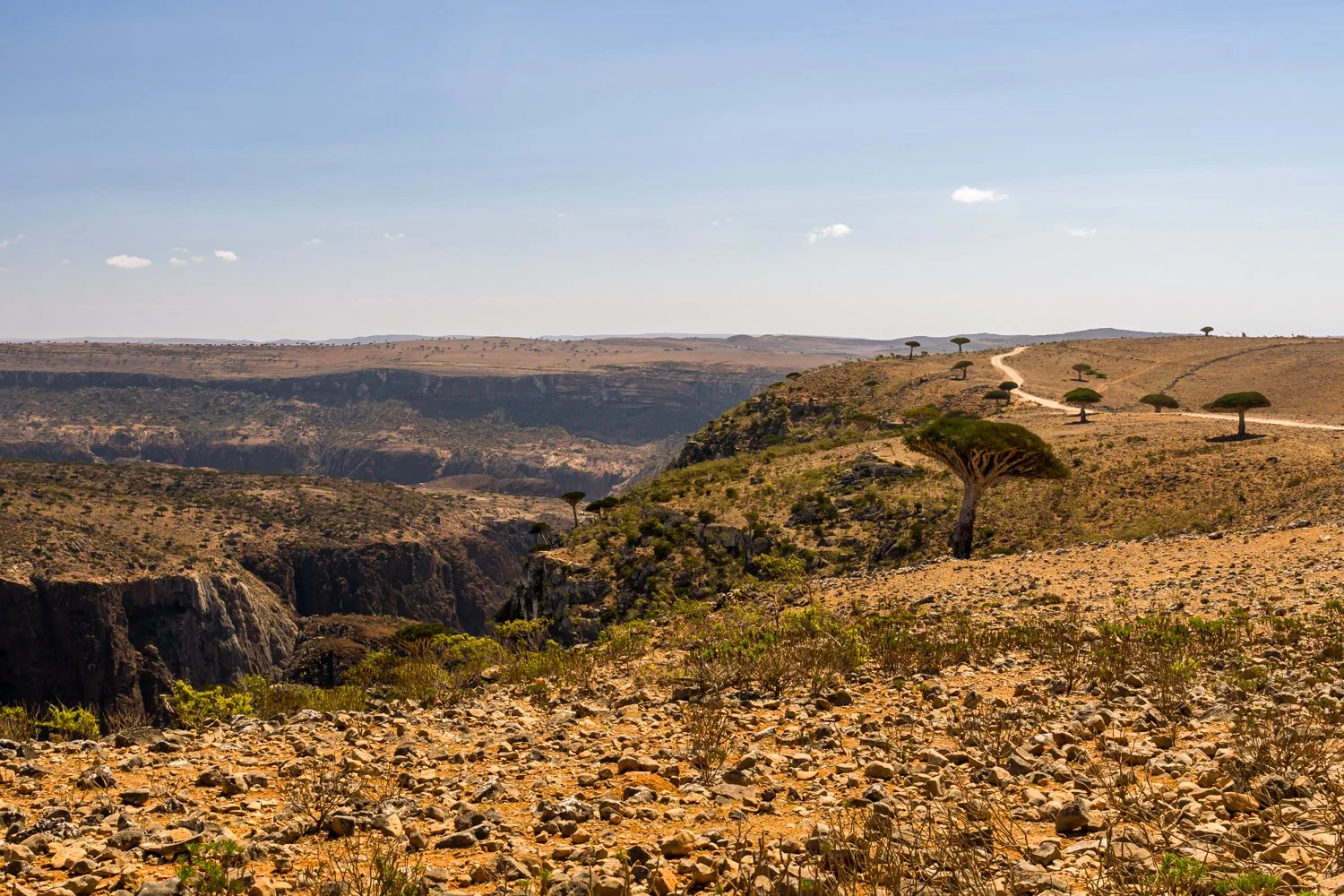
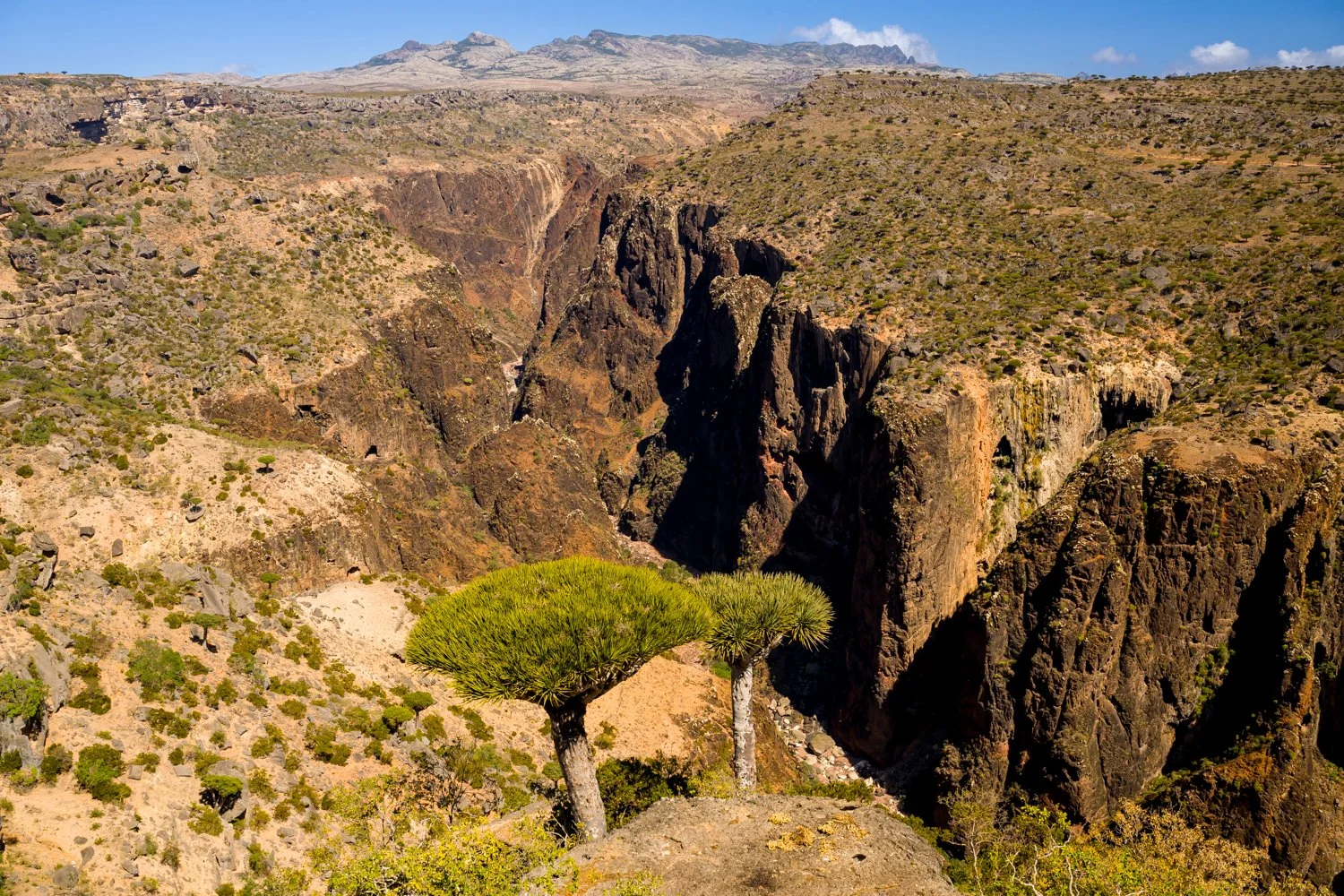
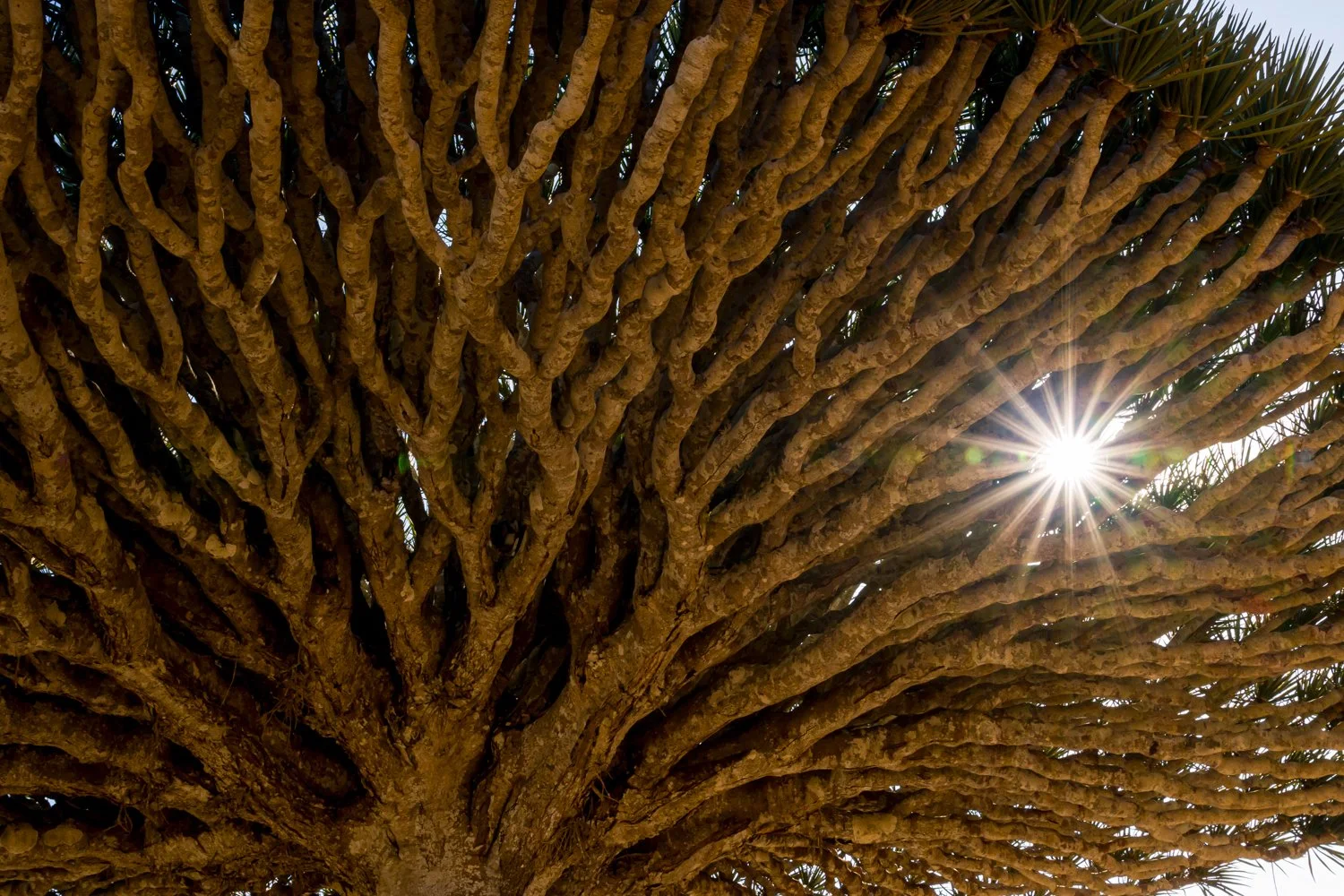
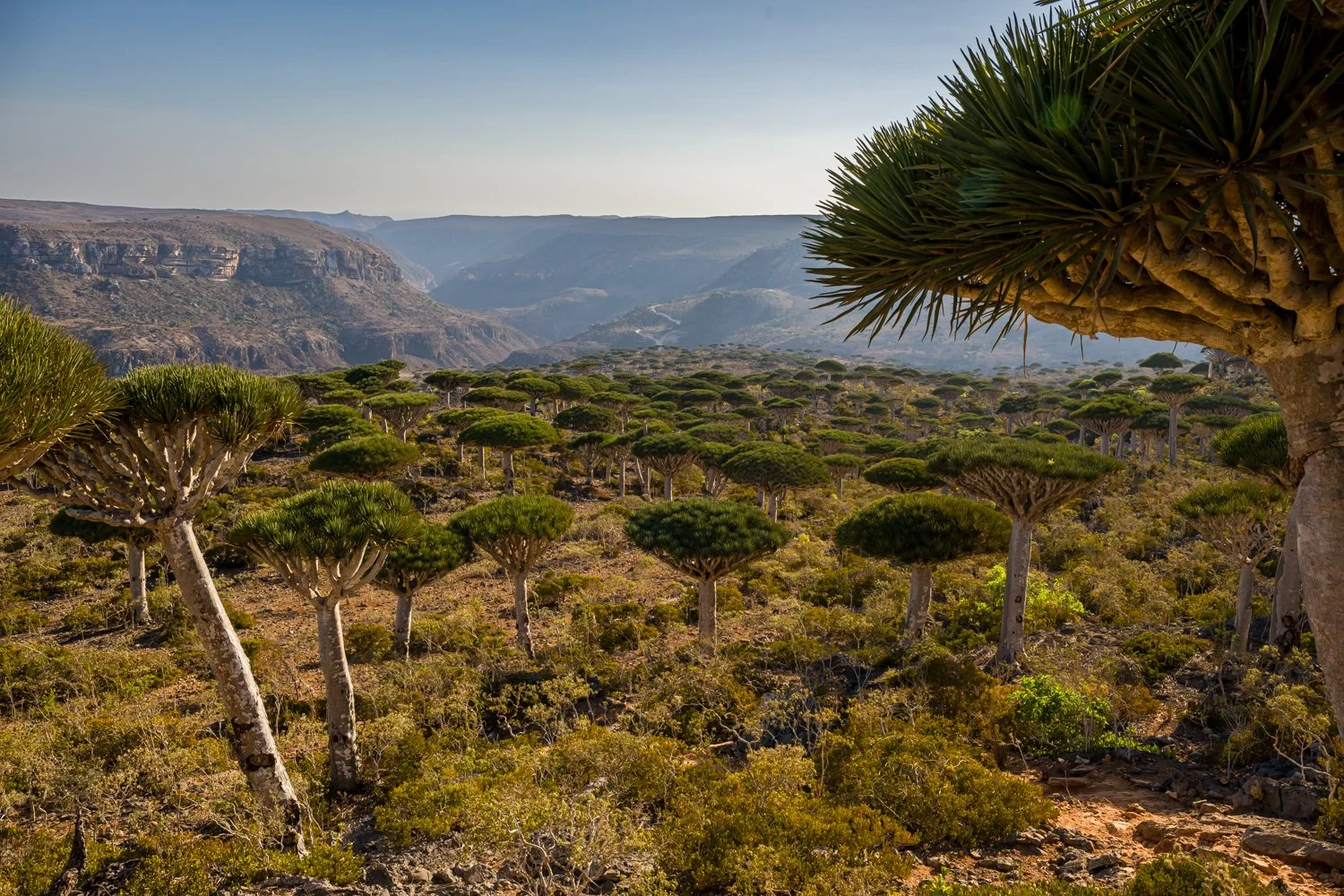
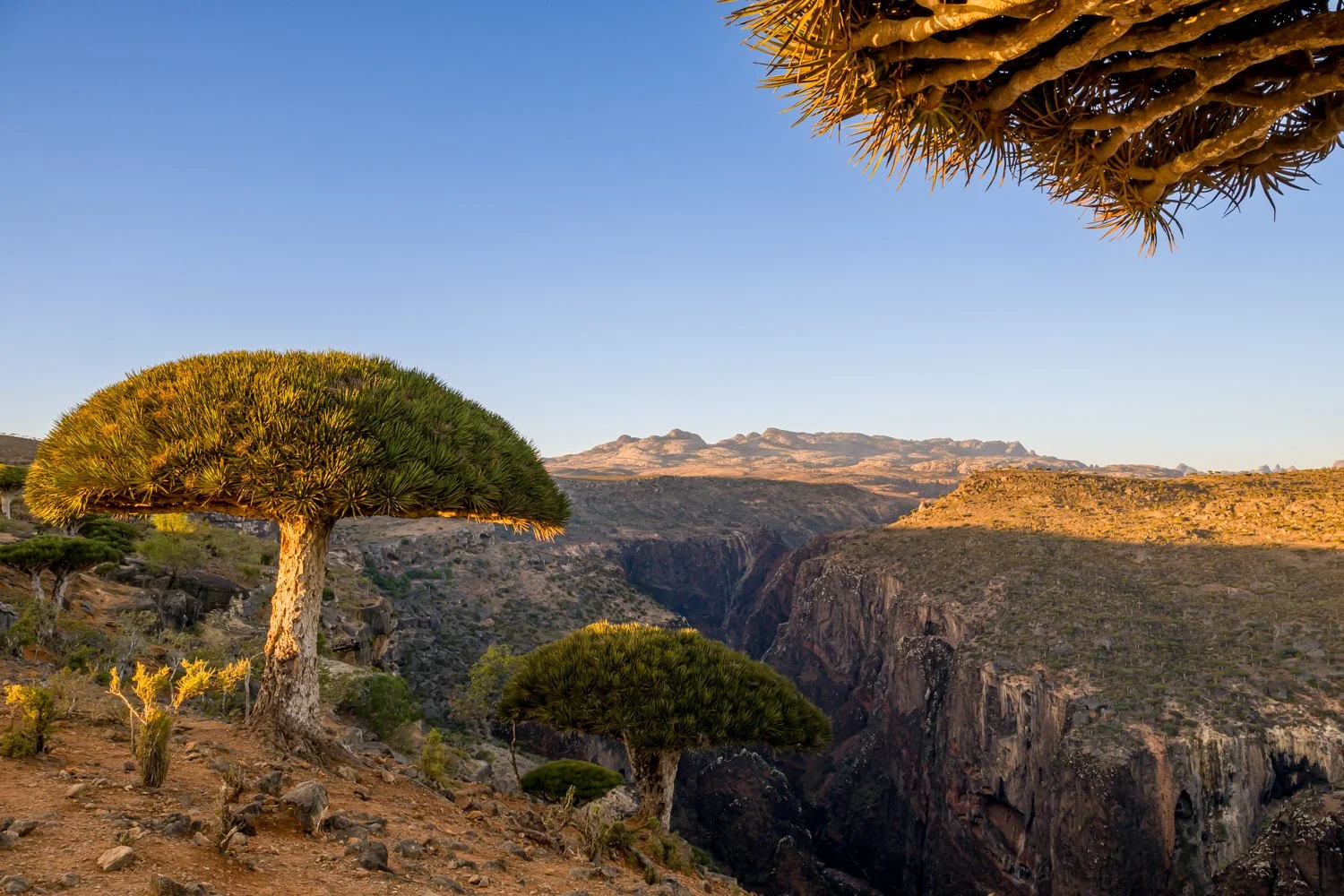
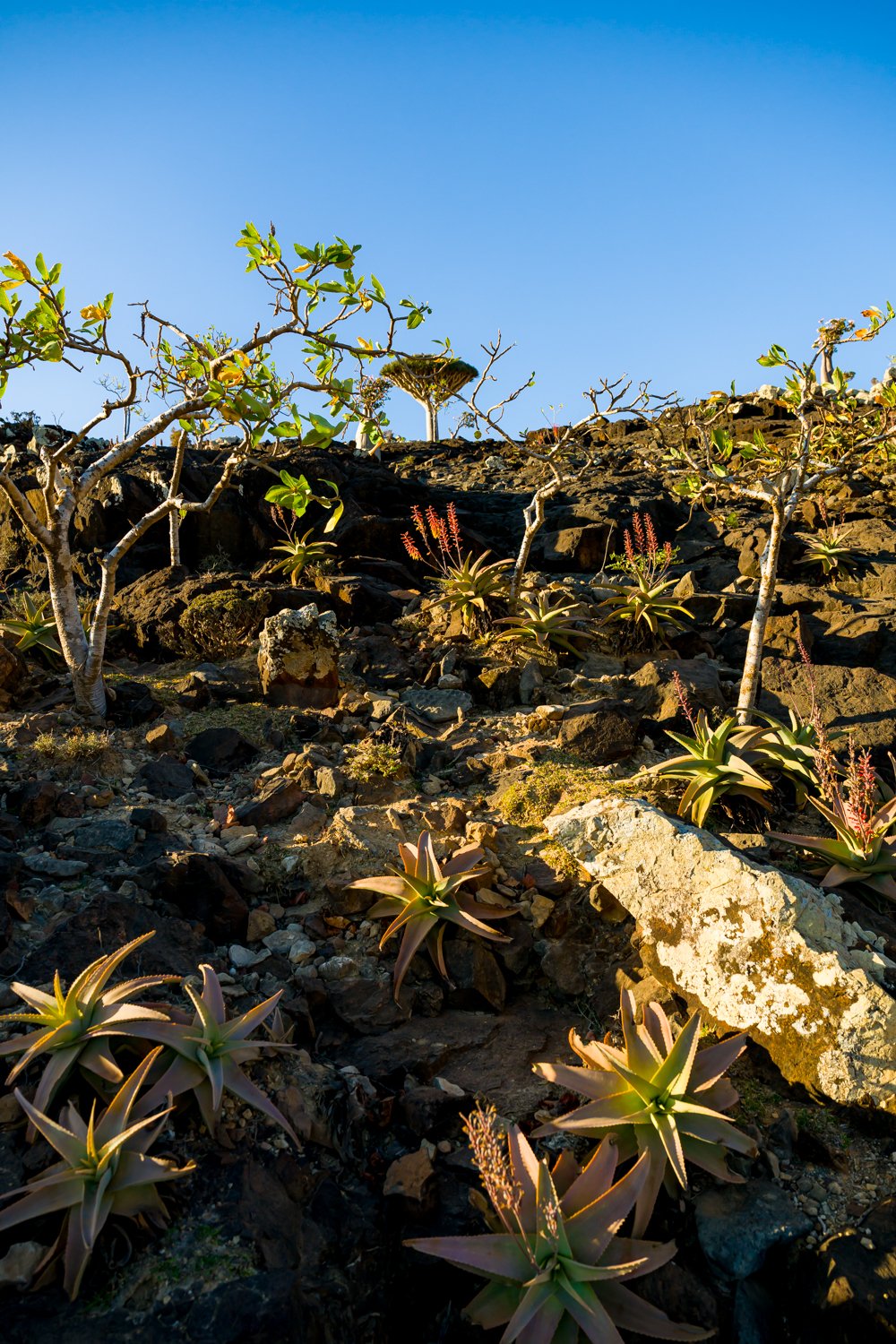
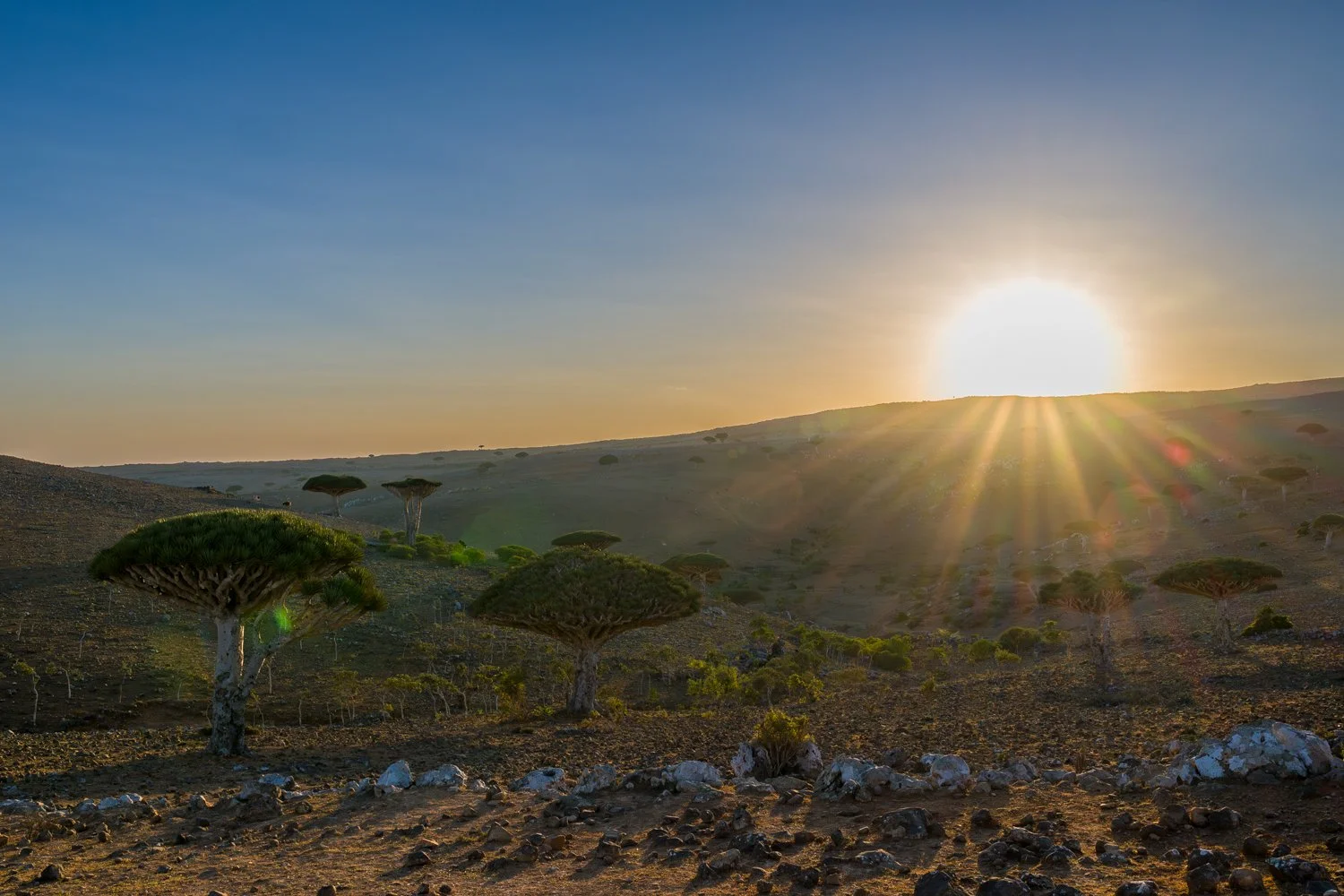
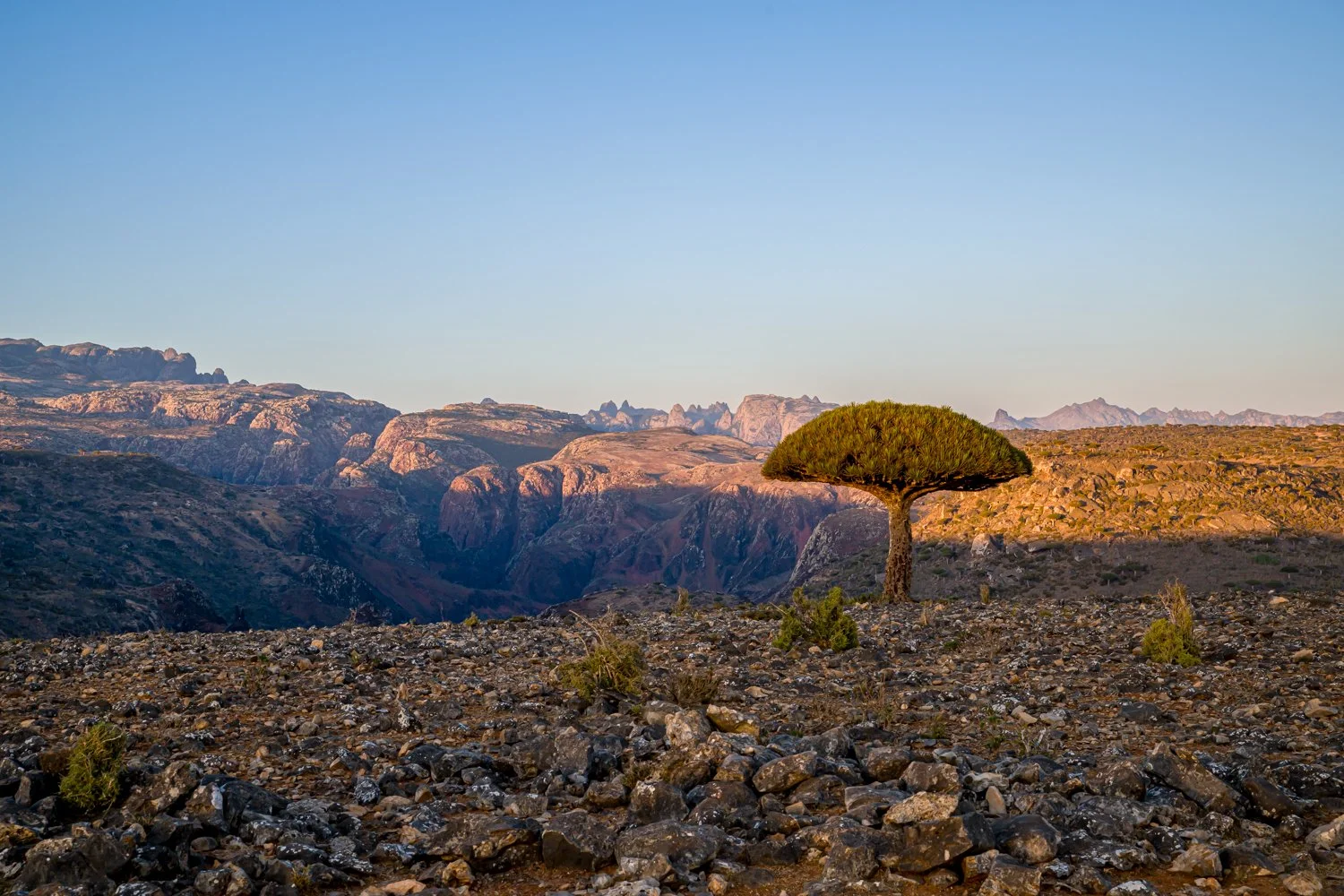
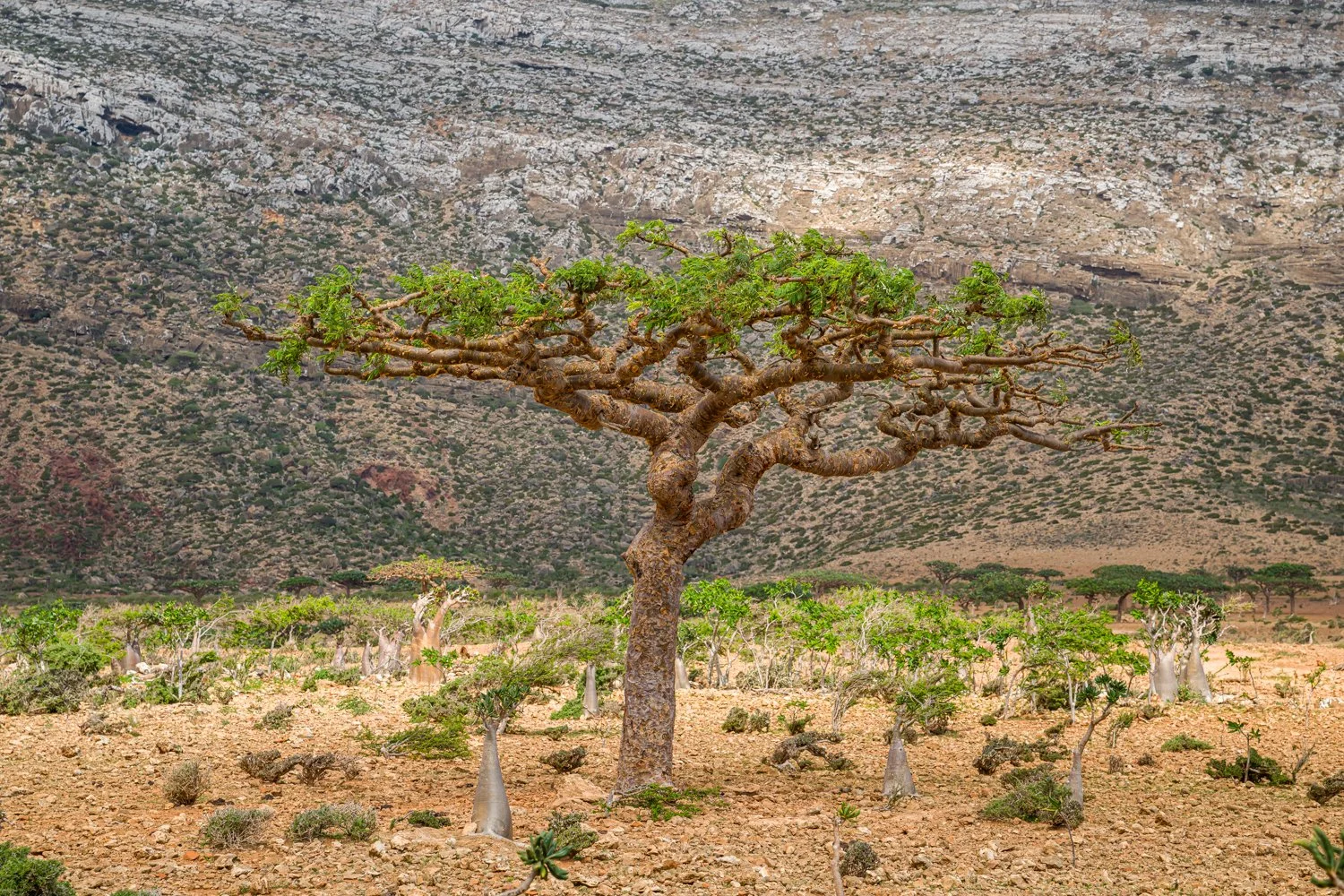
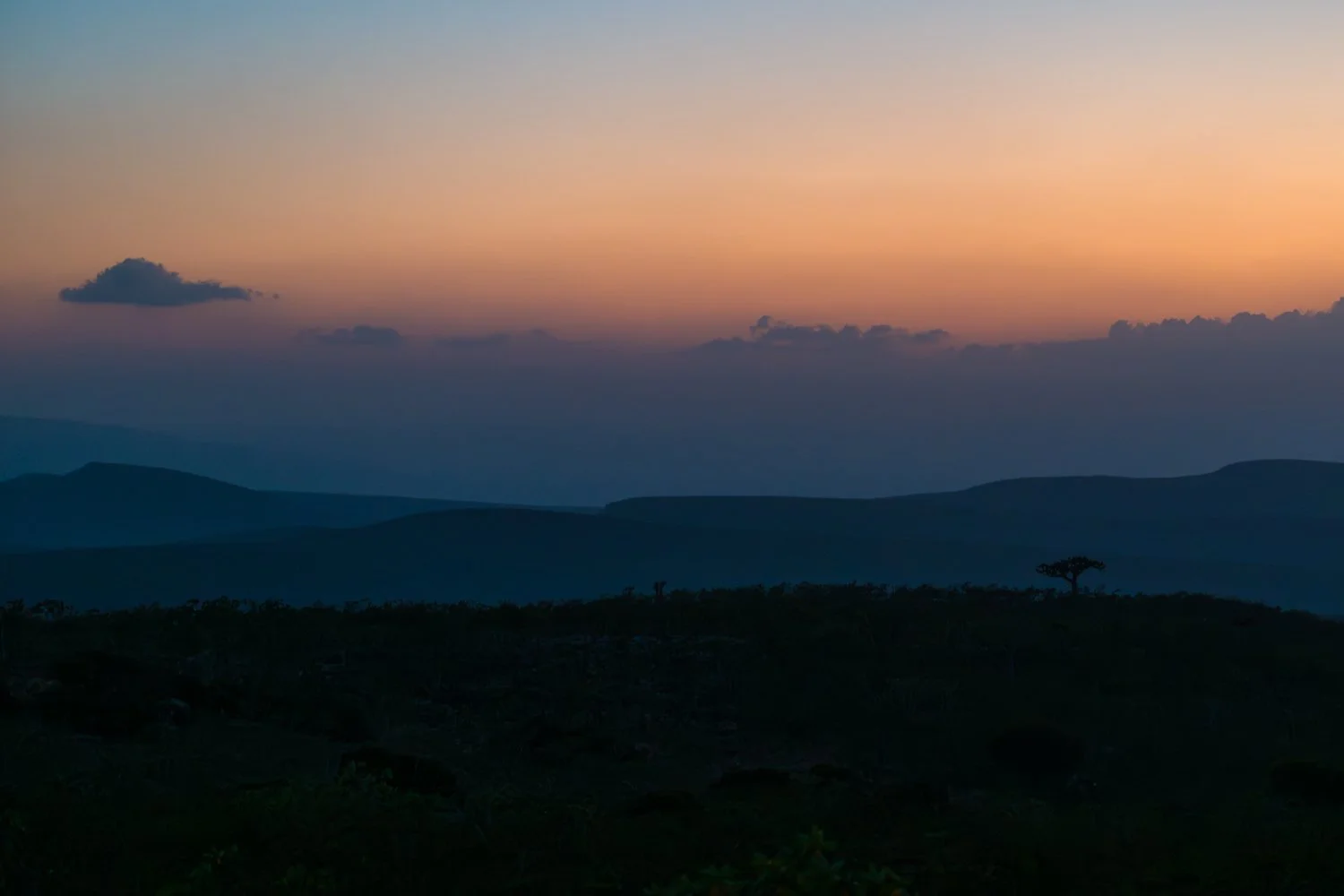
“I teeter on a boulder perched on an overlook, tears running down my cheeks as I drink in the forest surrounding me, and look back in time. The dragons blood trees spreads out around us, hundreds of huge upturned umbrellas, prehistoric and like a Dr Seuss illustration at the same time.”
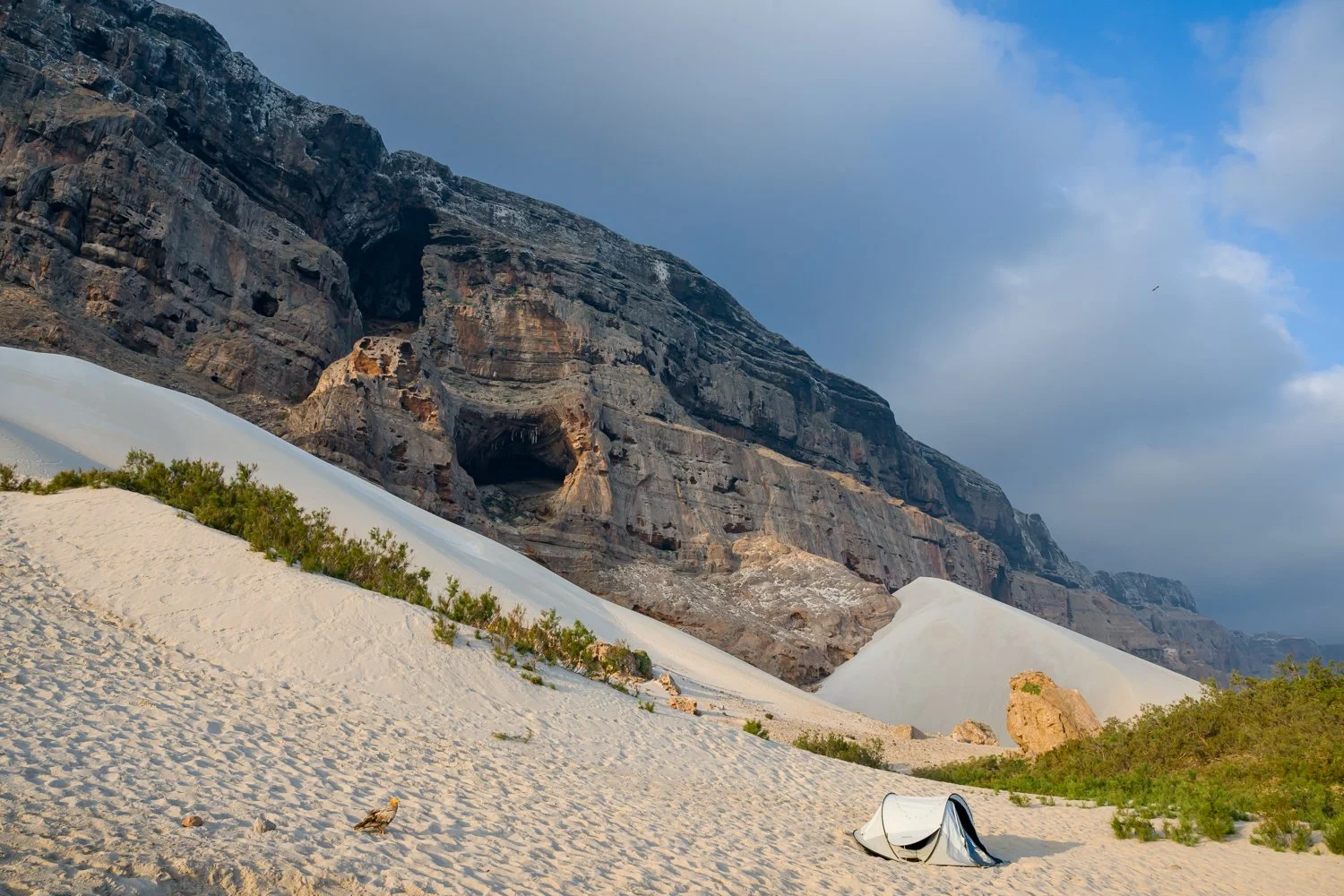
The local Bedouin guide, the trail we walked up, and I, are the only sign of humans on the high plateau, and it feels as if we have fallen millennia back instead of the equally amazing reality. This ancient forest is believed to be a living relic which has survived into our times because of the remoteness of this island. I half expect a pterodactyl to fly out of the canyon, although the golden breasted Egyptian buzzards, locally called municipal birds, fit the description nicely.
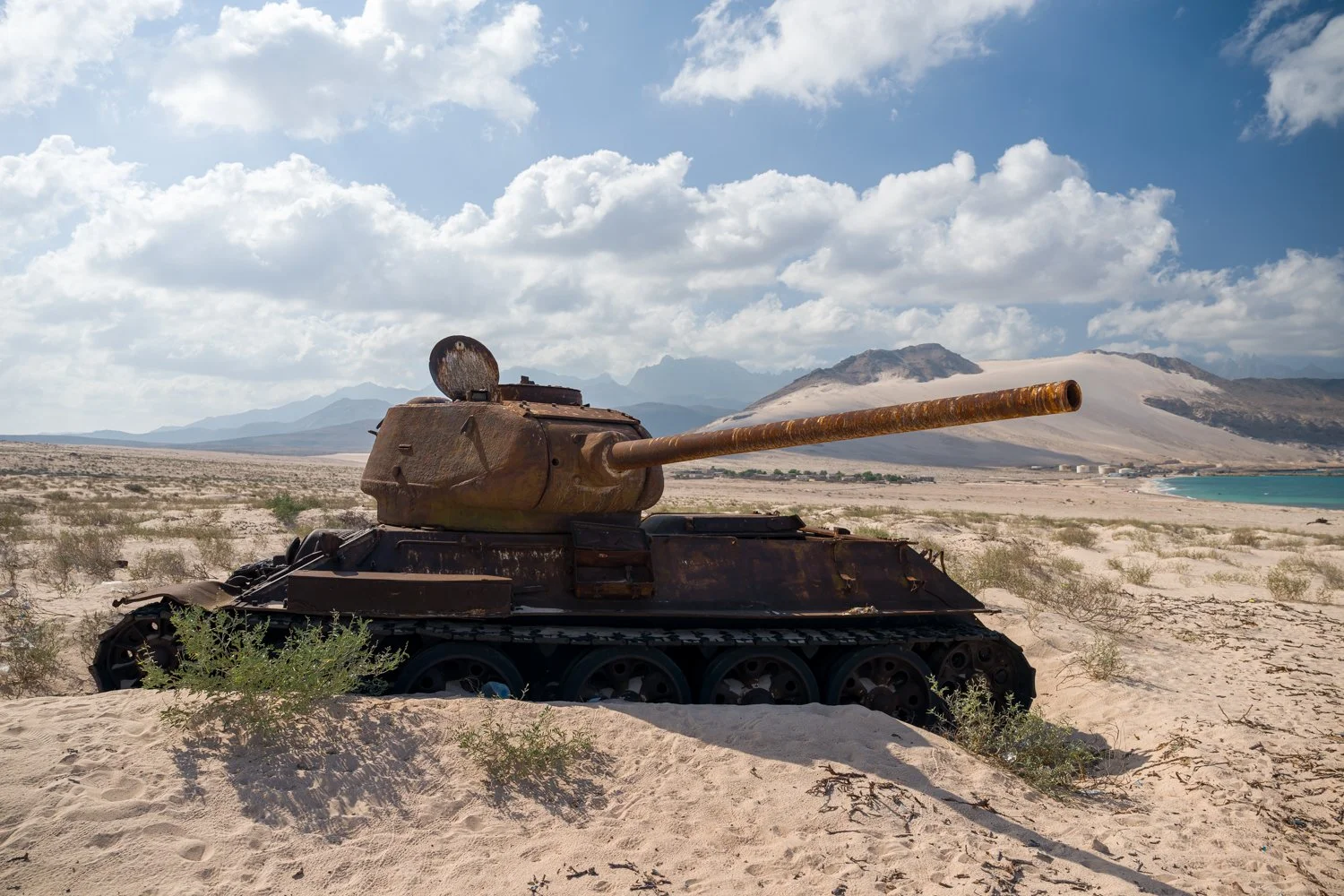
In spite of decades of international travel, Yemen is my first level 4 country; categorized by the US State department as “do not go.” Admittedly, the US is in no position to be judging other countries safety and stability at the moment, but the civil war and resulting famine in mainland Yemen since 2014 have justifiably been deemed a grave humanitarian crisis. And the Houthi rebels have a strong dislike for the US.
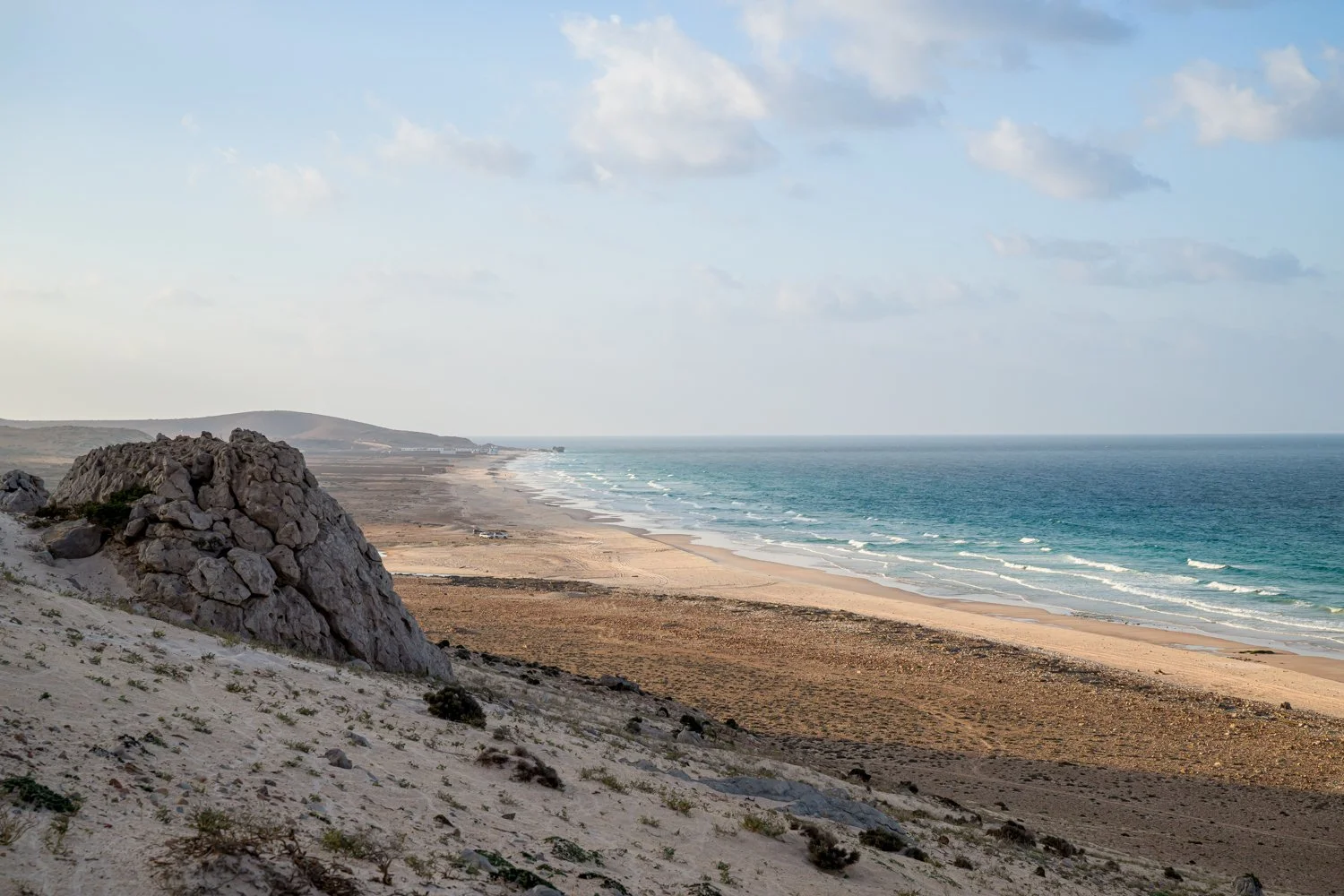
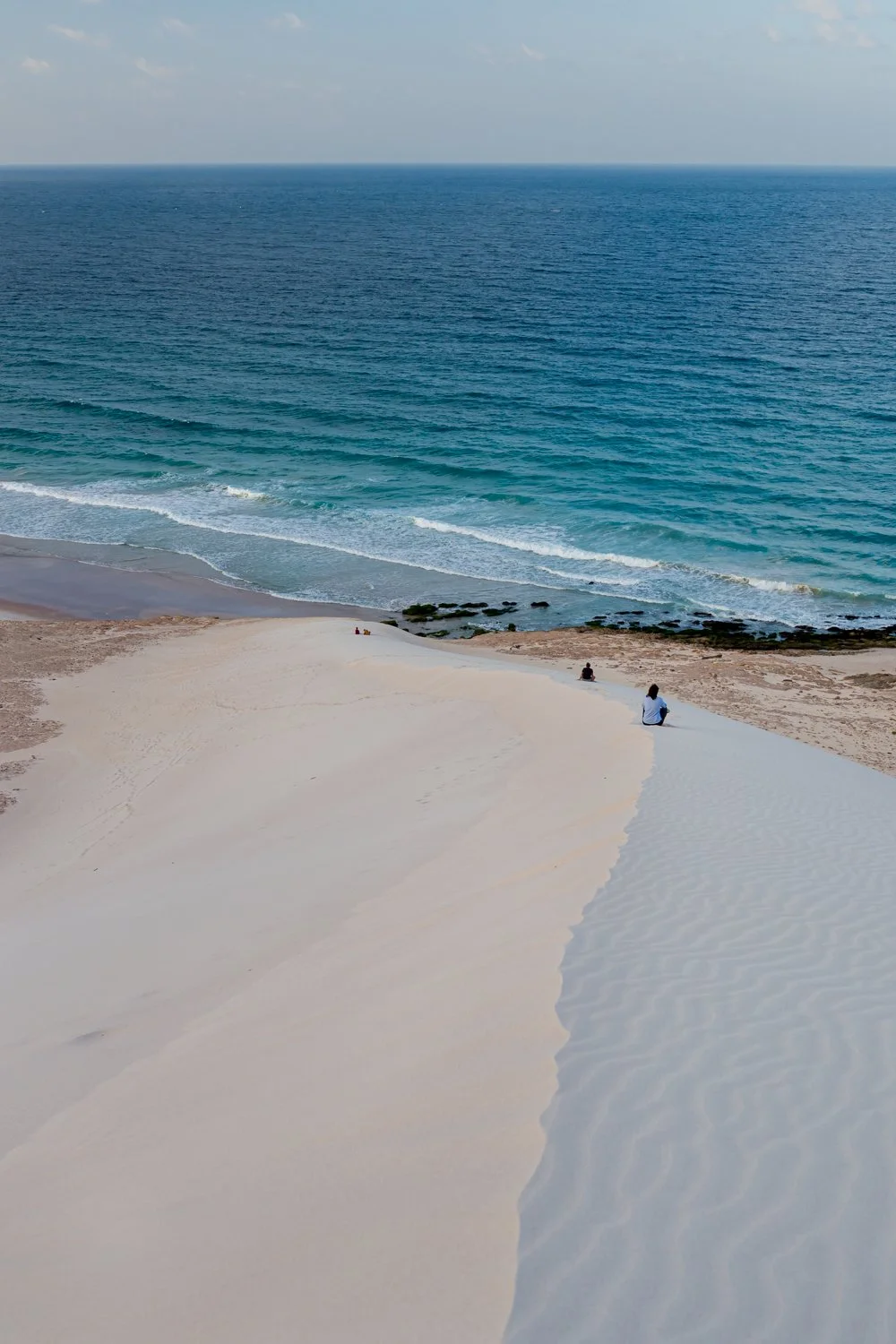
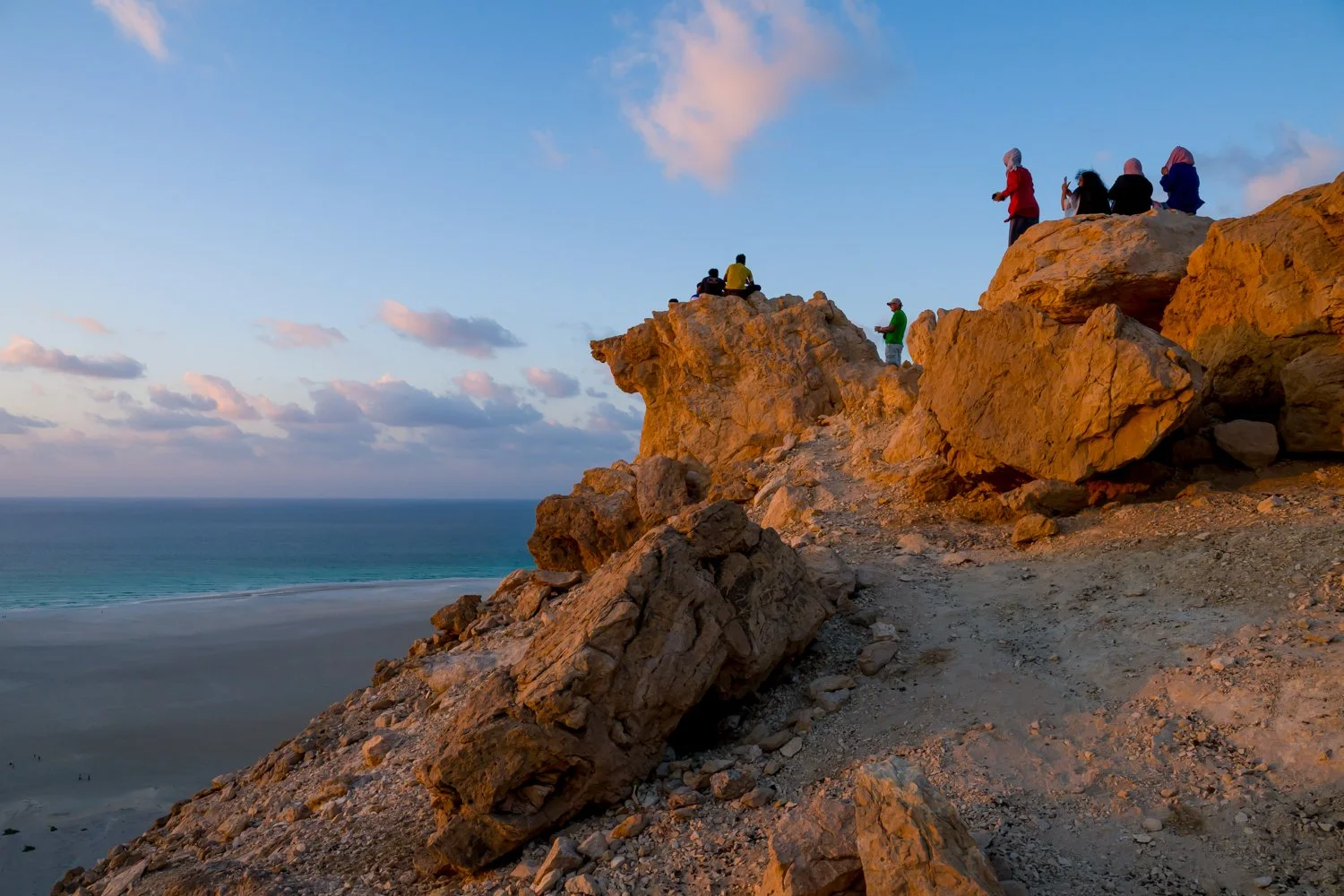
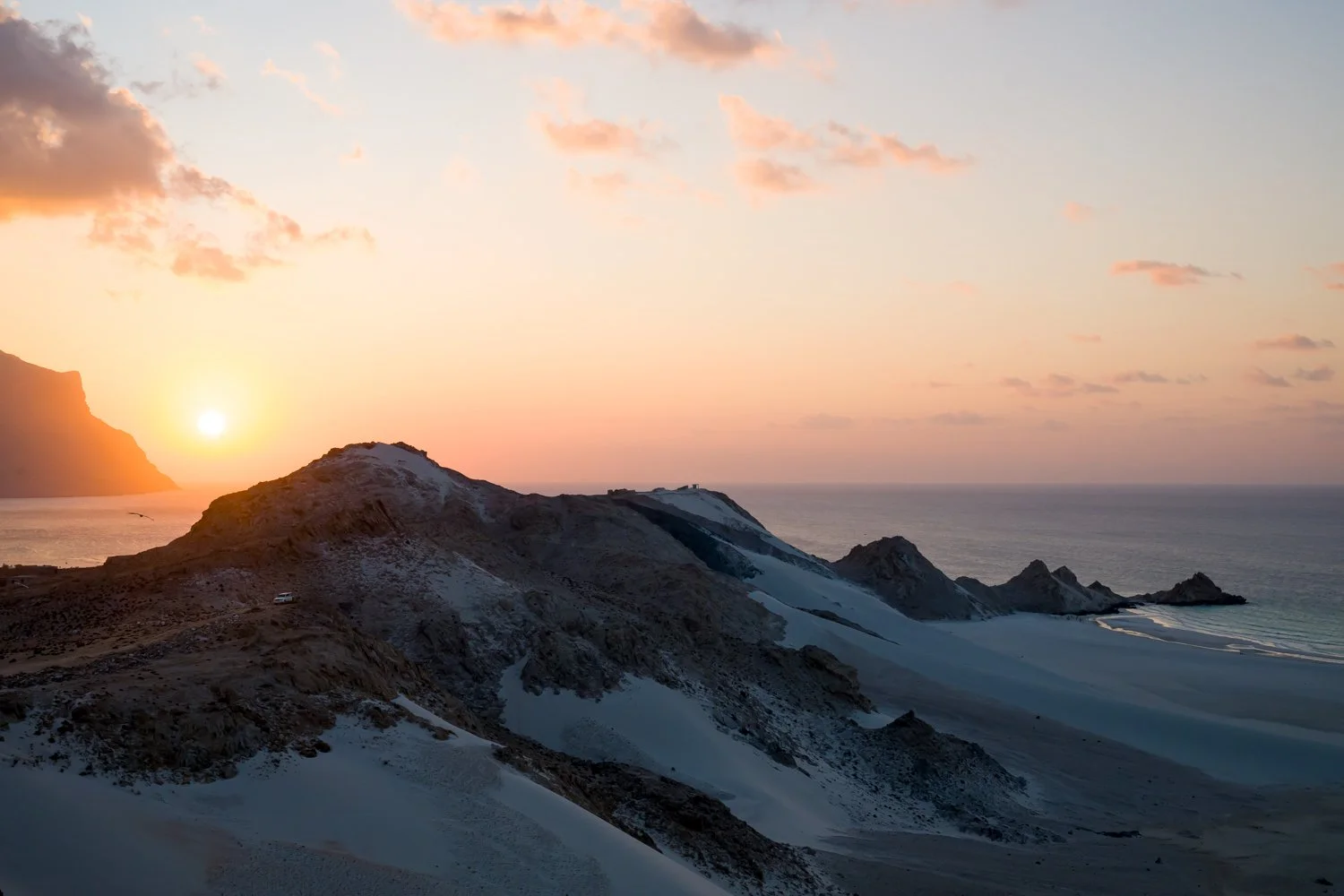
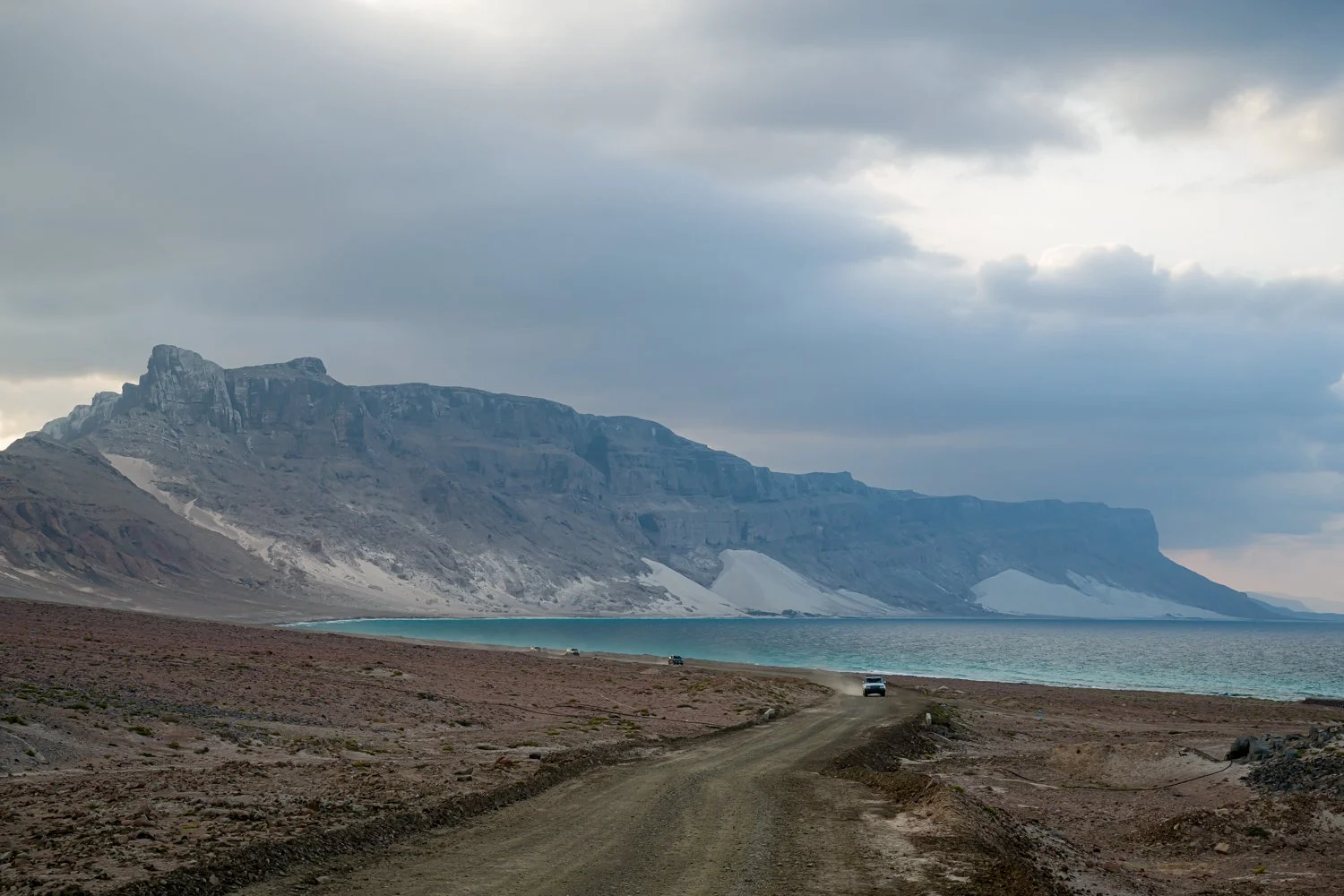
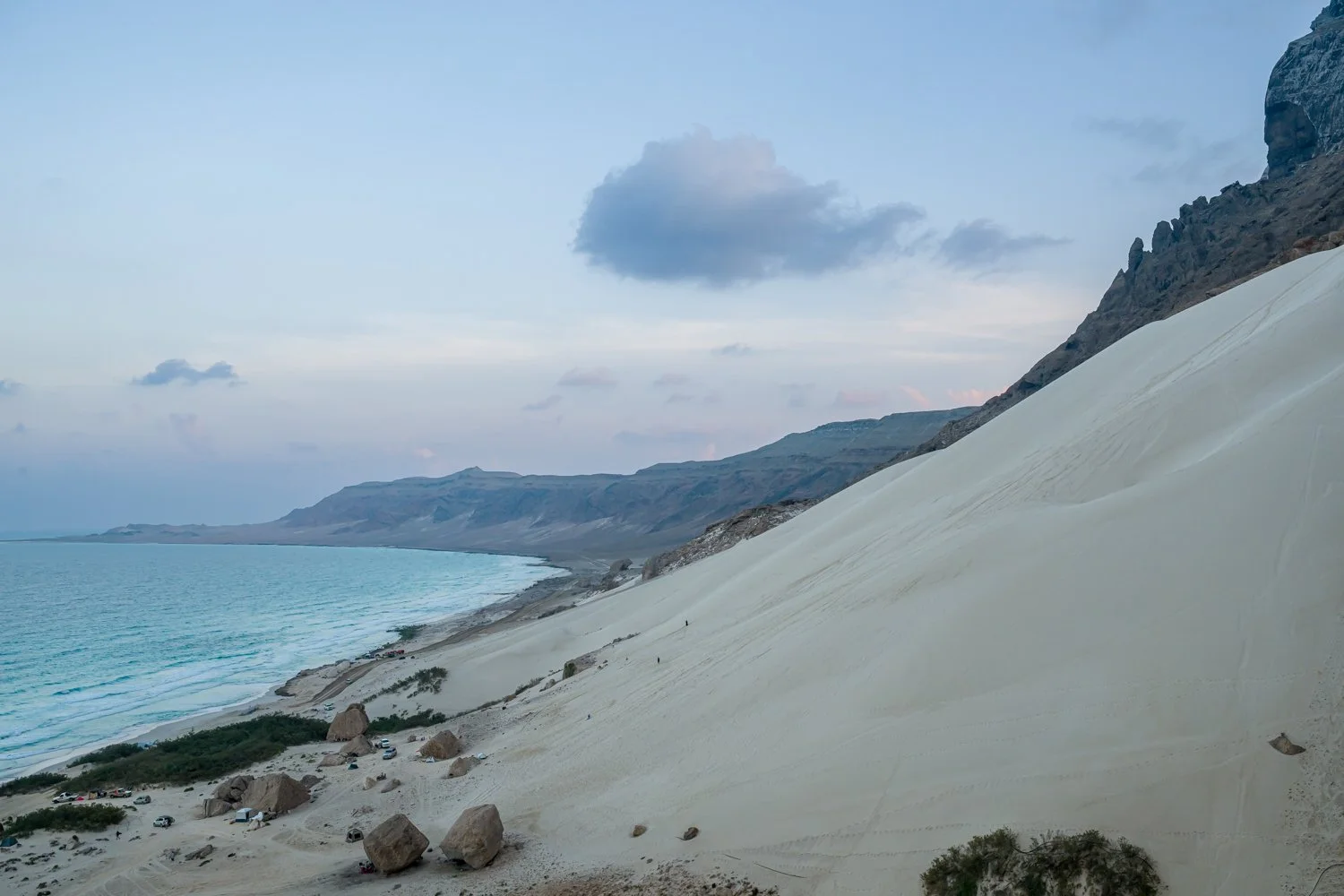
But everything I have read suggests that the remoteness which led to Socotra’s unique biodiversity, has allowed them to remain outside the political turmoil. The island is cut off by harsh monsoon winds half the year, has good no harbors, and is surrounded by serious coral reefs. Although located offshore of Somalia & Yemen, islanders are so removed that they have their own language and customs; men greet each other by touching noses and foreheads in a beautiful gesture. The island has slowly been gaining tourists for it’s extraordinary natural beauty since air travel arrived in 1999. This seems to be a mixed blessing, bringing badly needed jobs but threatening the fragile ecosystem and unique human culture.
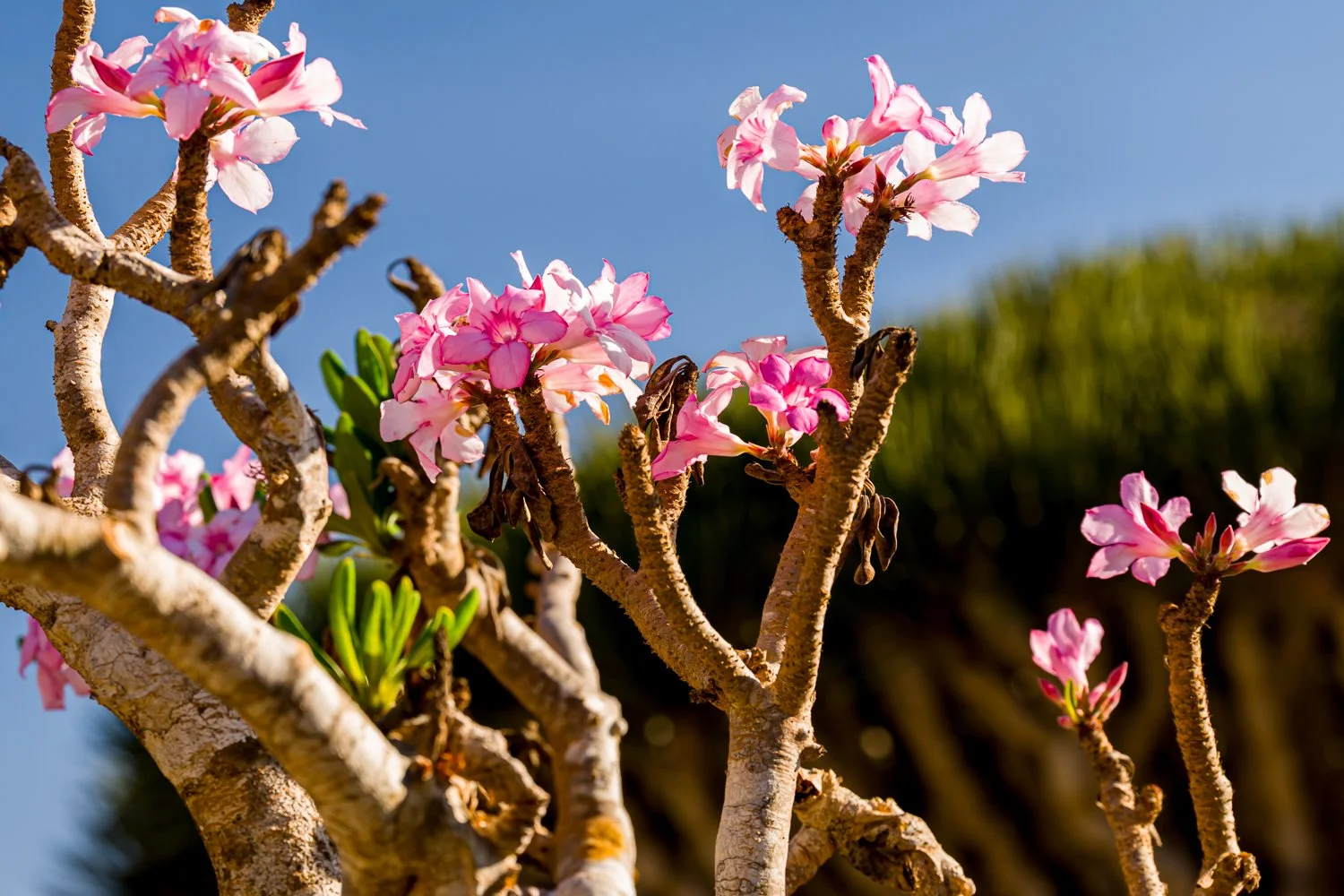
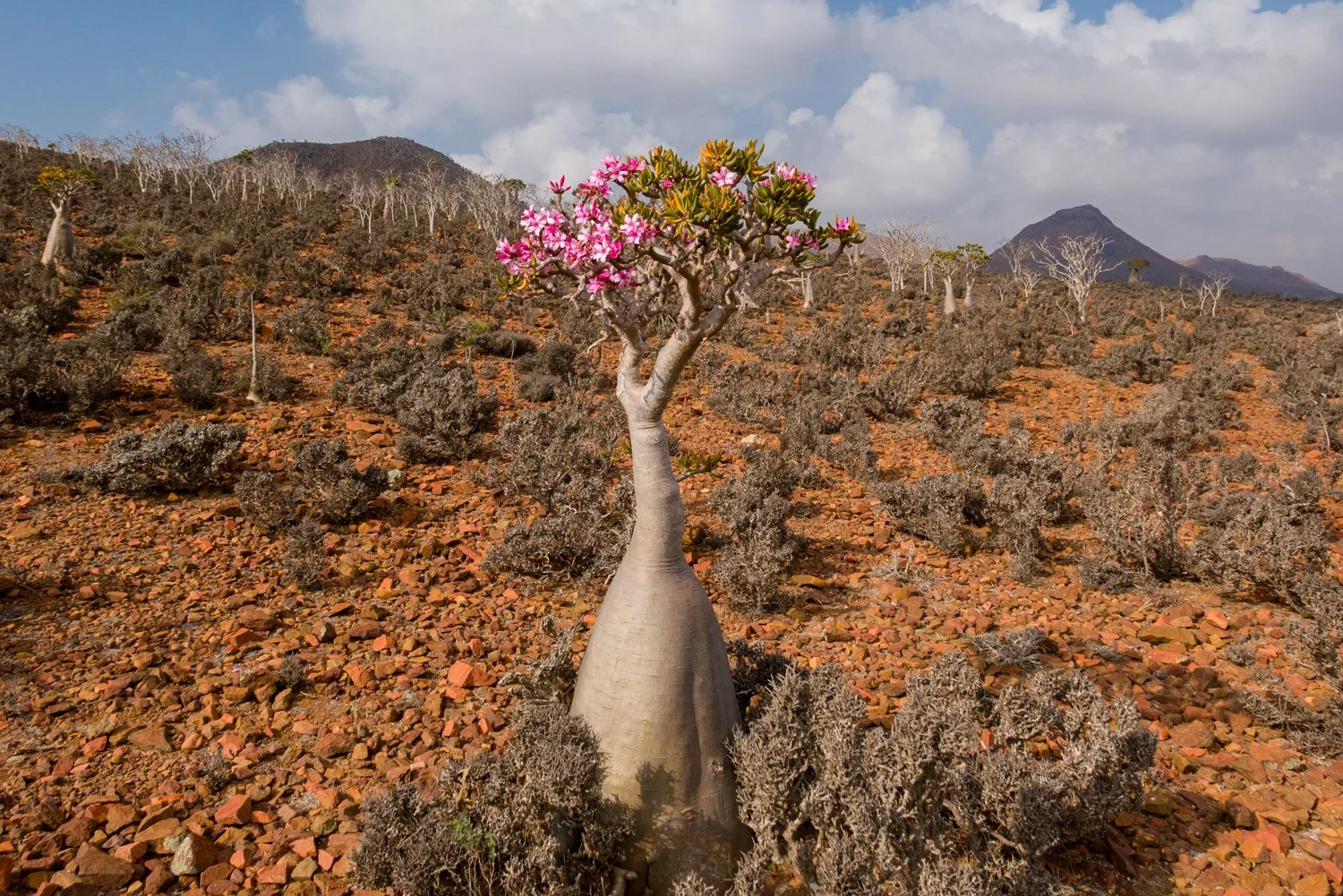
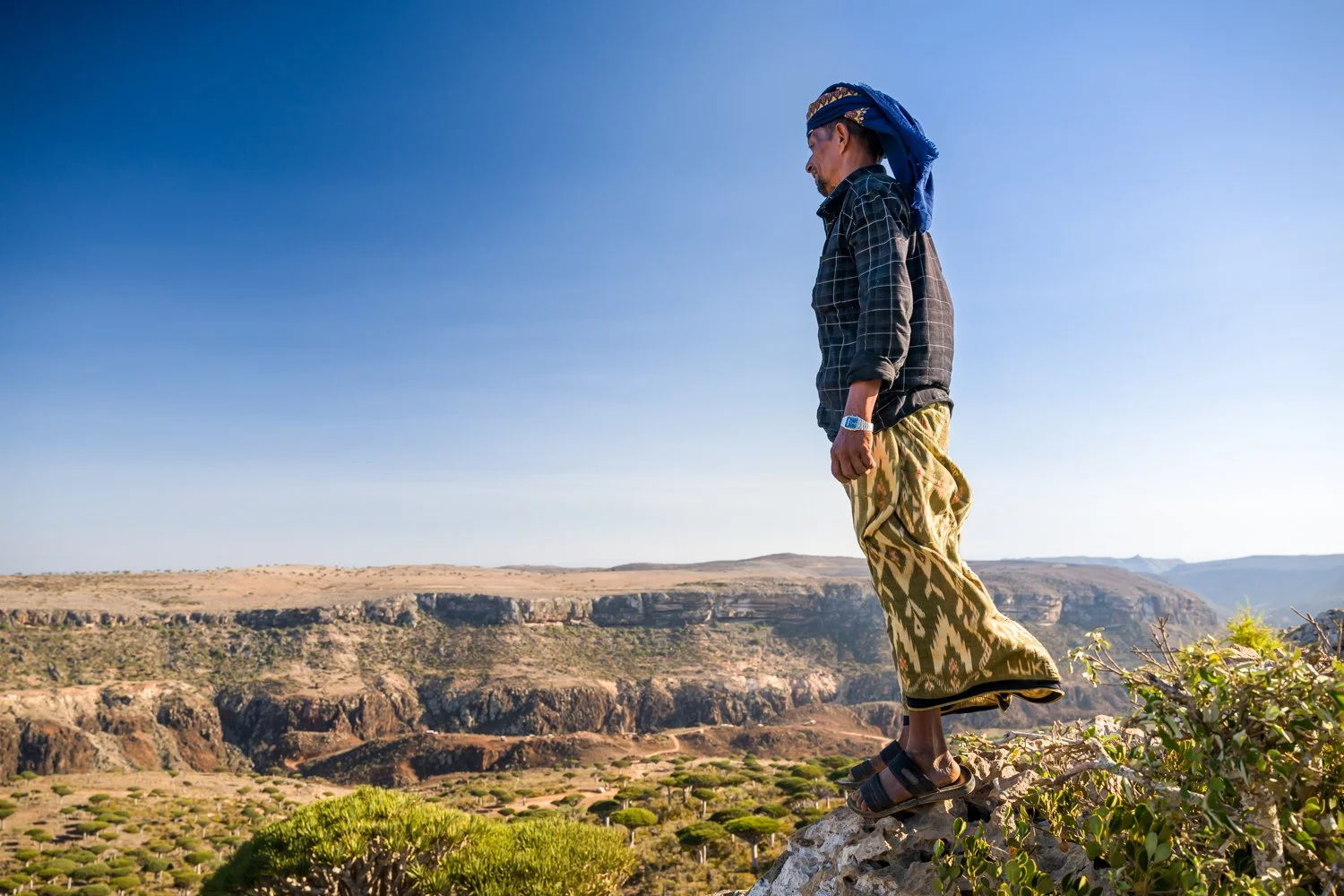
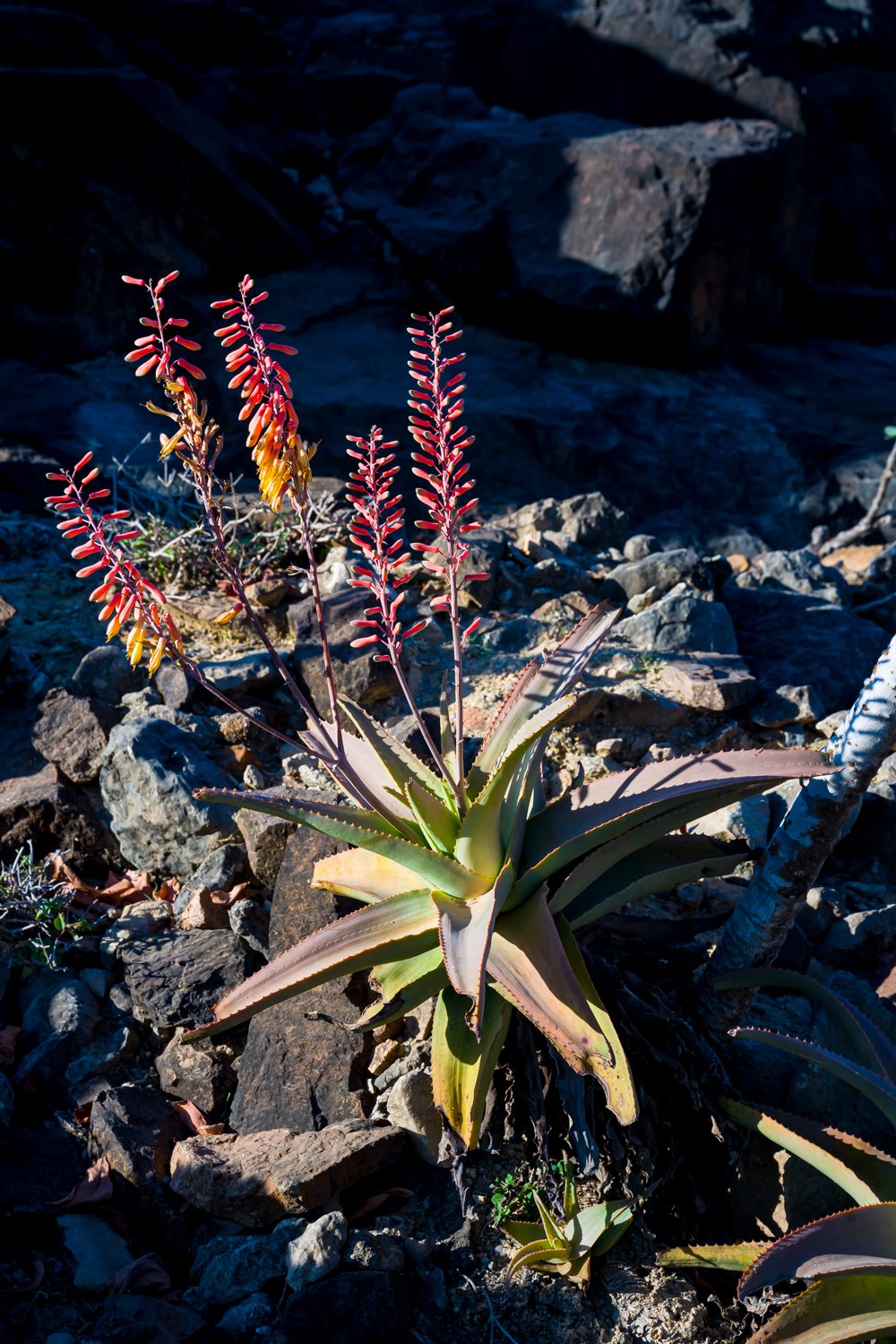
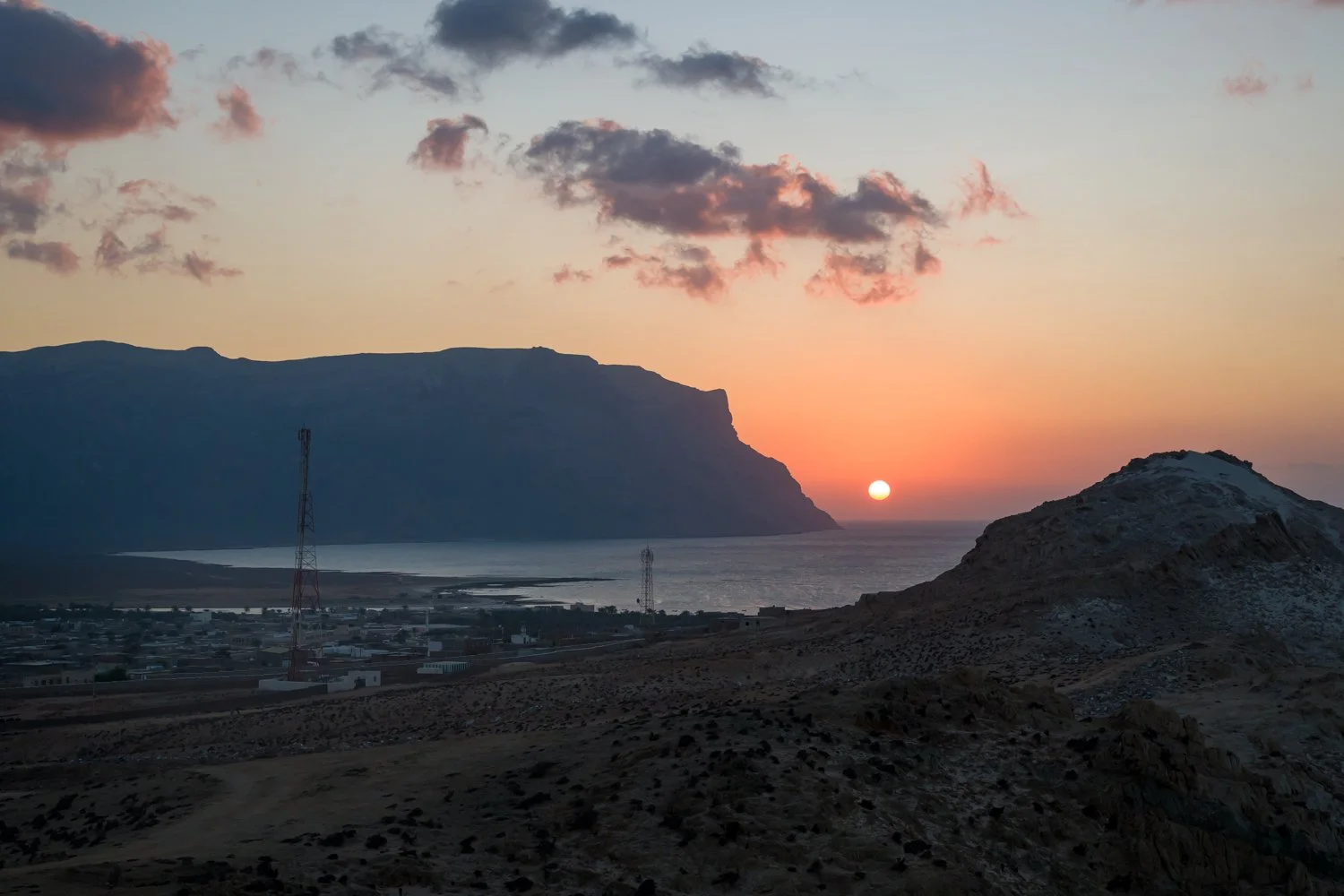
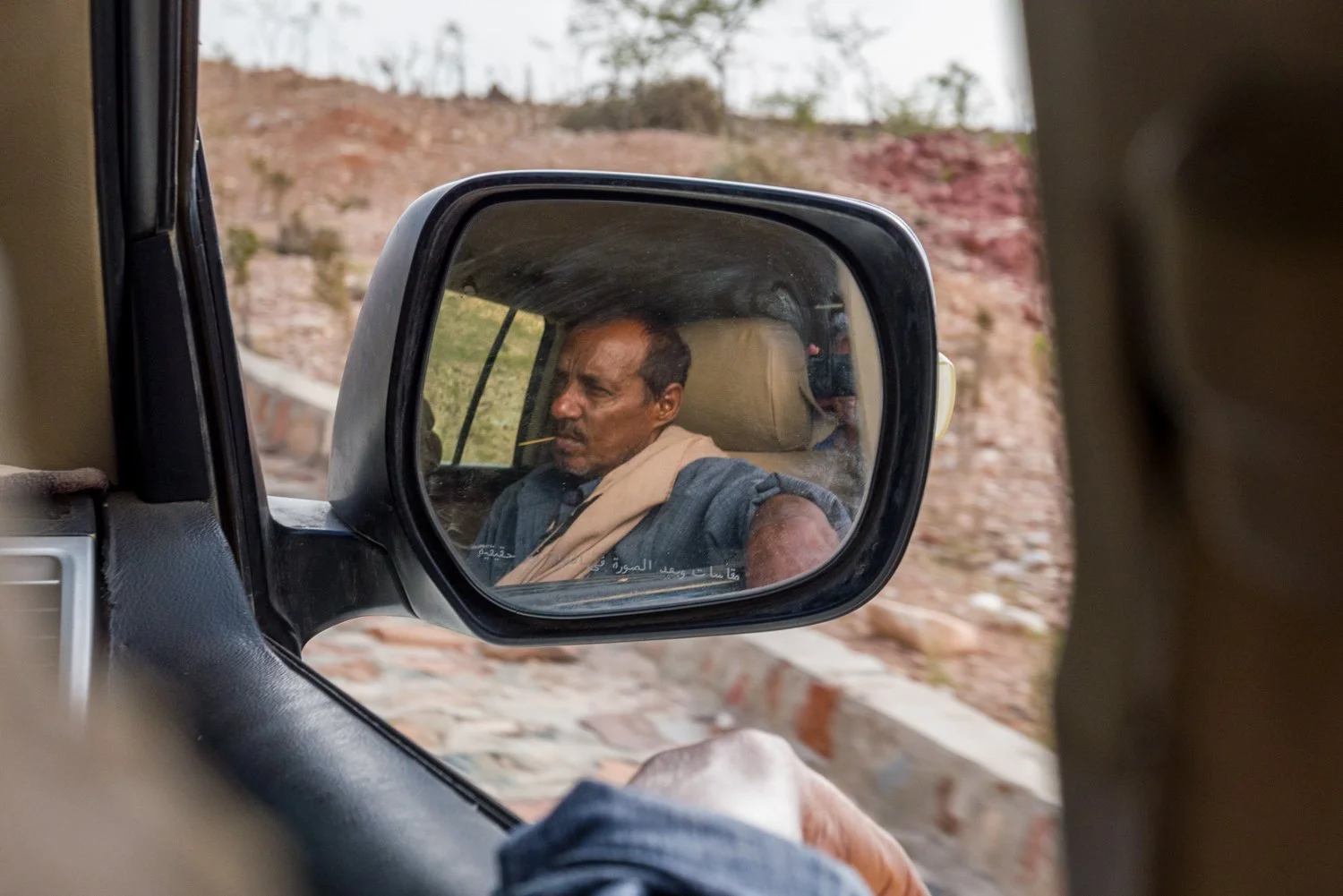
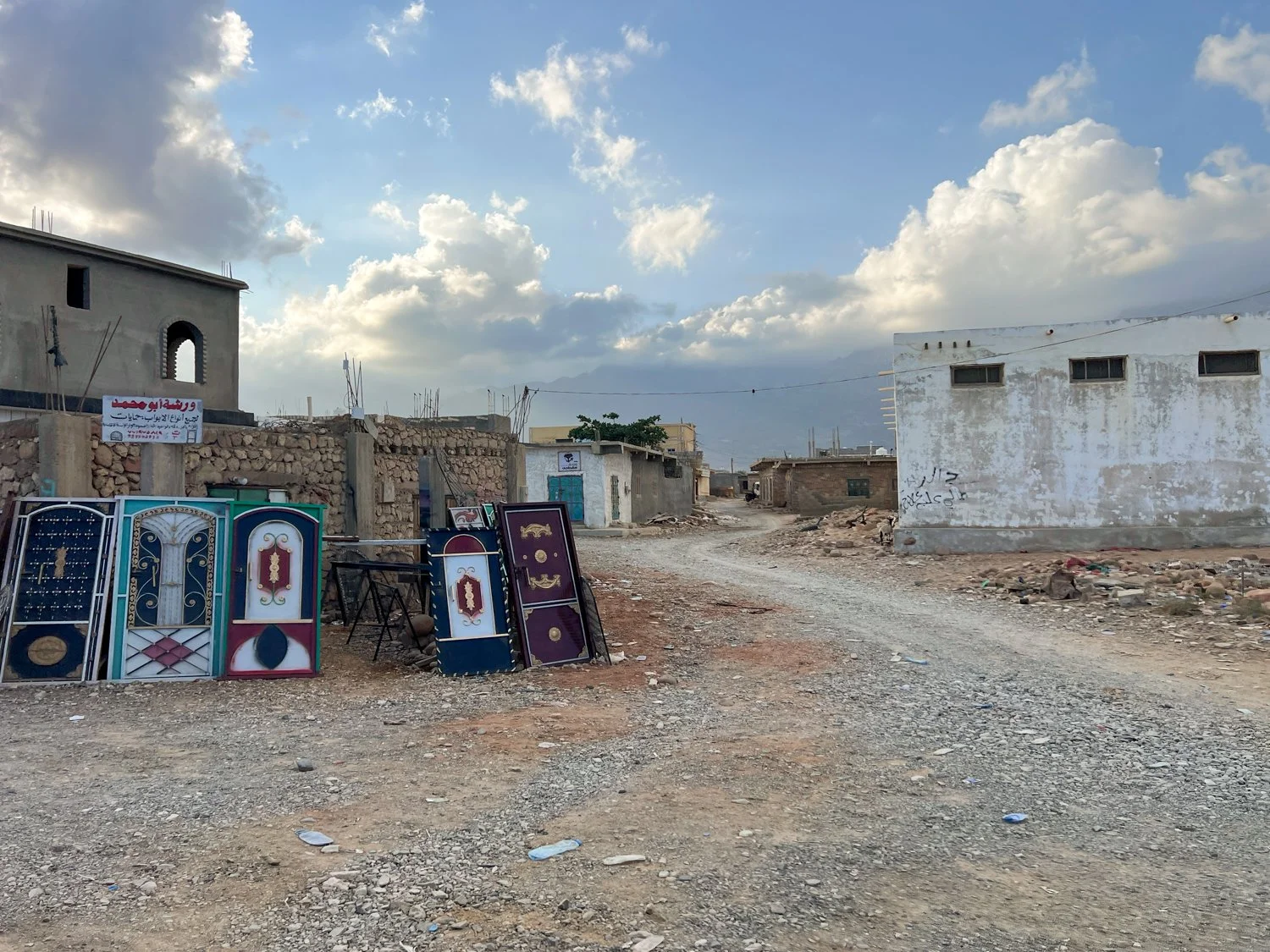
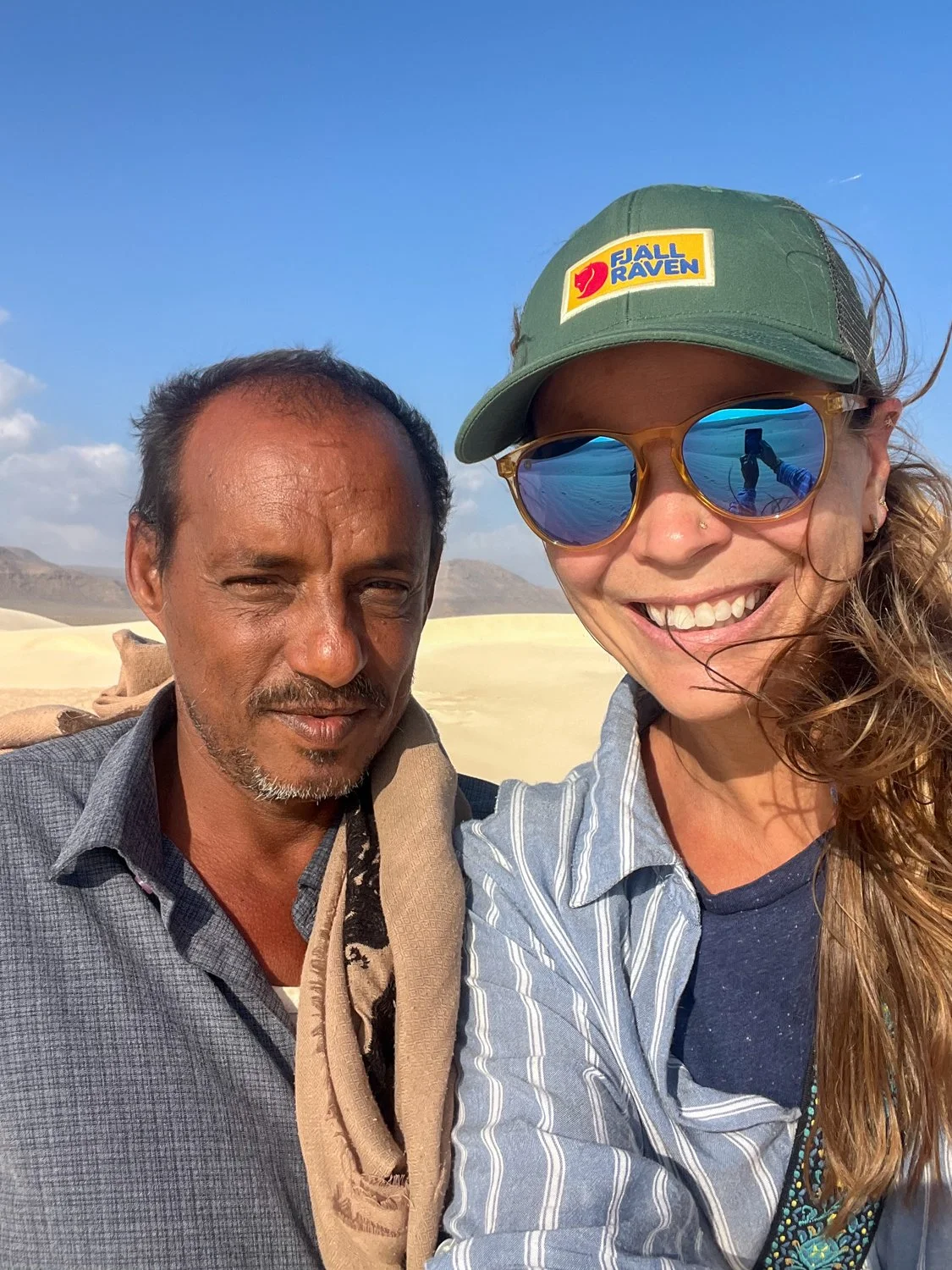
“Driving through the streets of Hadibo, the capital and only major city, I see flags of different Yemeni factions, and soldiers sitting on barracks walls for training. But at the Shawba Restaurant, the restaurant in town where all of the tourists end up, (Abdulaseef cannot explain exactly why we never go elsewhere) I was greeted with nothing but kindness, and the usual curiosity that solo female travelers get the world over, as if we might be just a bit off.”
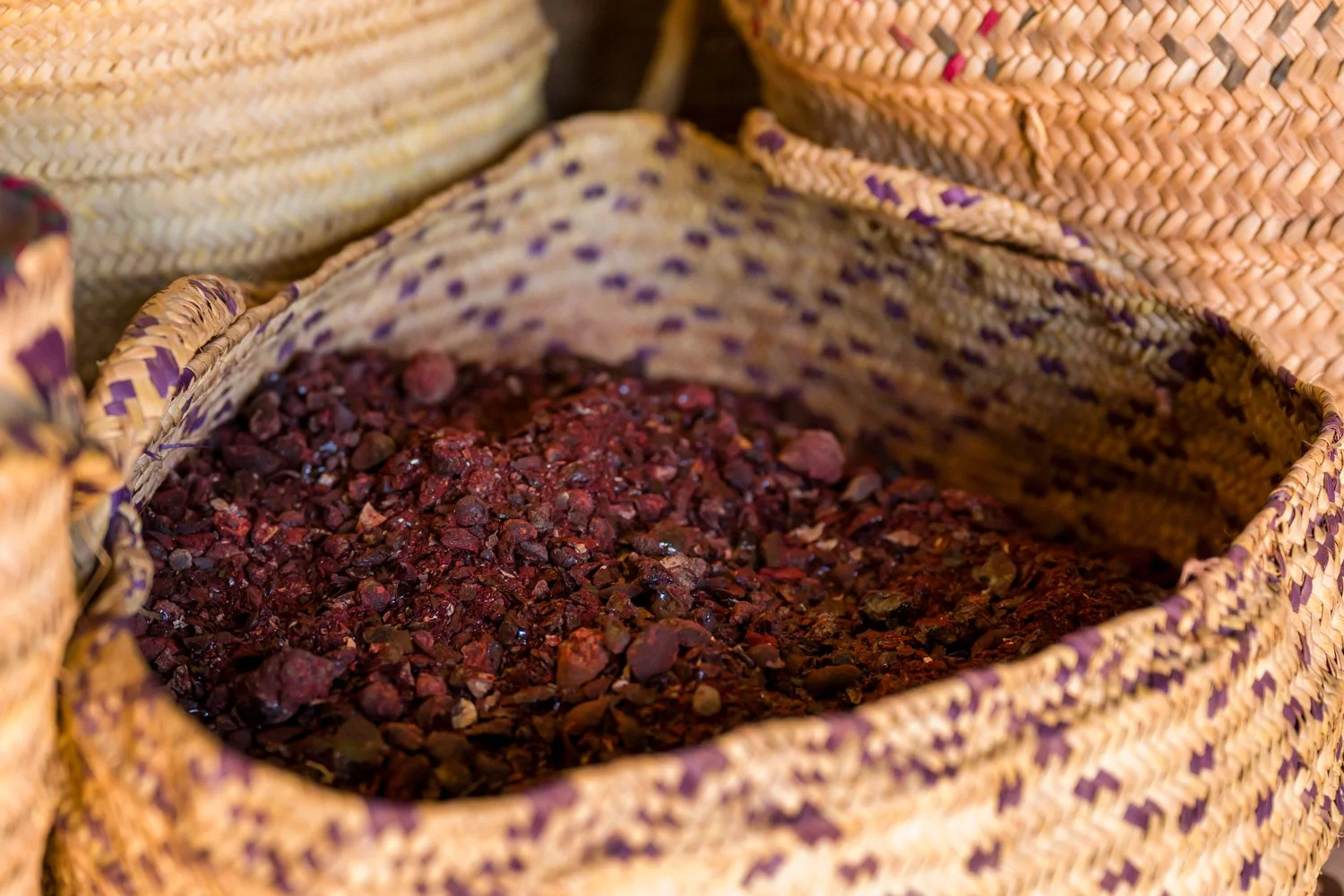
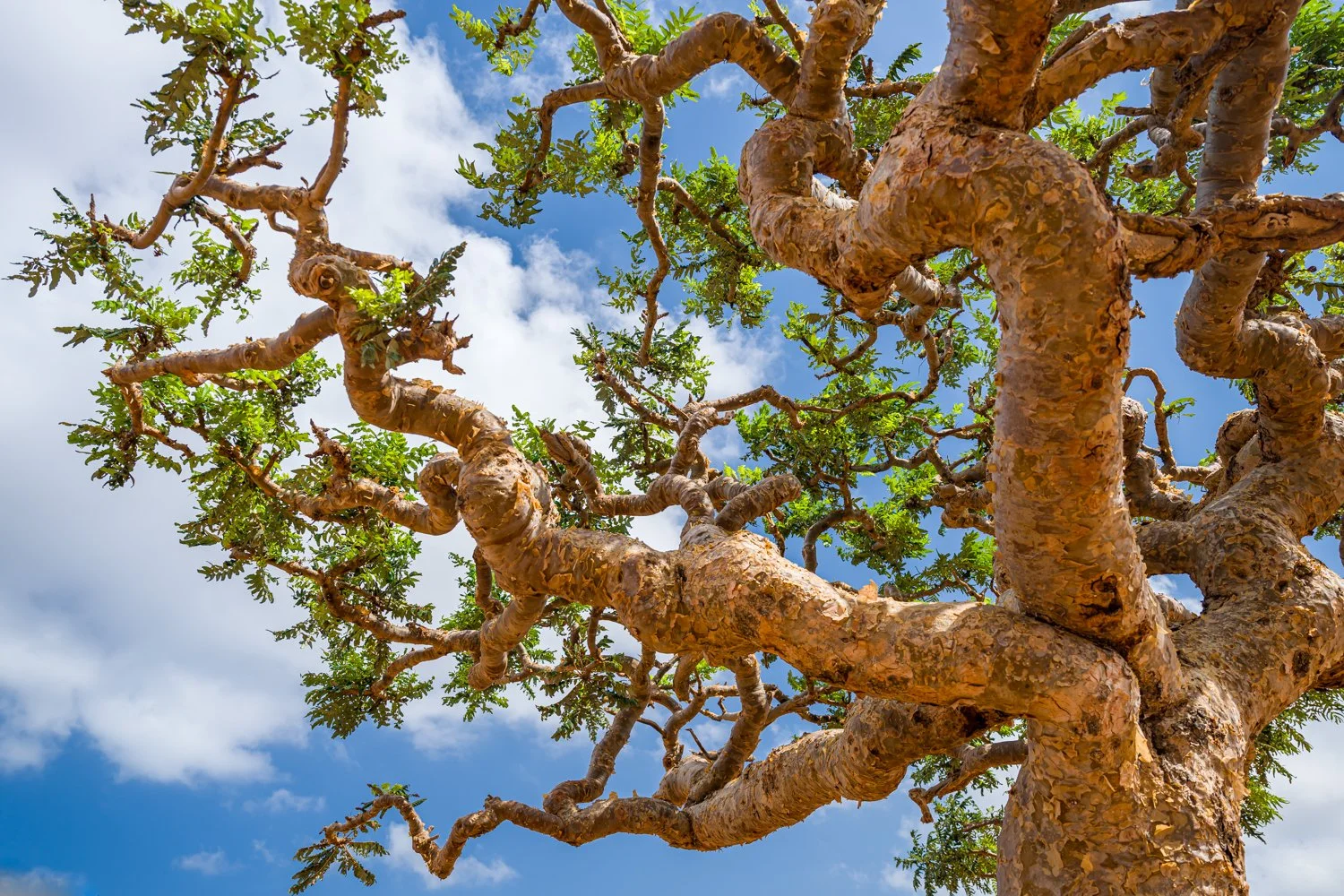
Walking down from viewing the largest dragons blood forest, the local guide shows me the endemic frankincense trees. Luban is one of my few Arabic words, given its cultural importance, but the fragrant sticky resin oozing from a wound in the bark would have confirmed the meaning. That night we camp above the canyon overlooking the forest, and I wonder, not for the first time, if I should make a photo series of the stunning places I have peed.
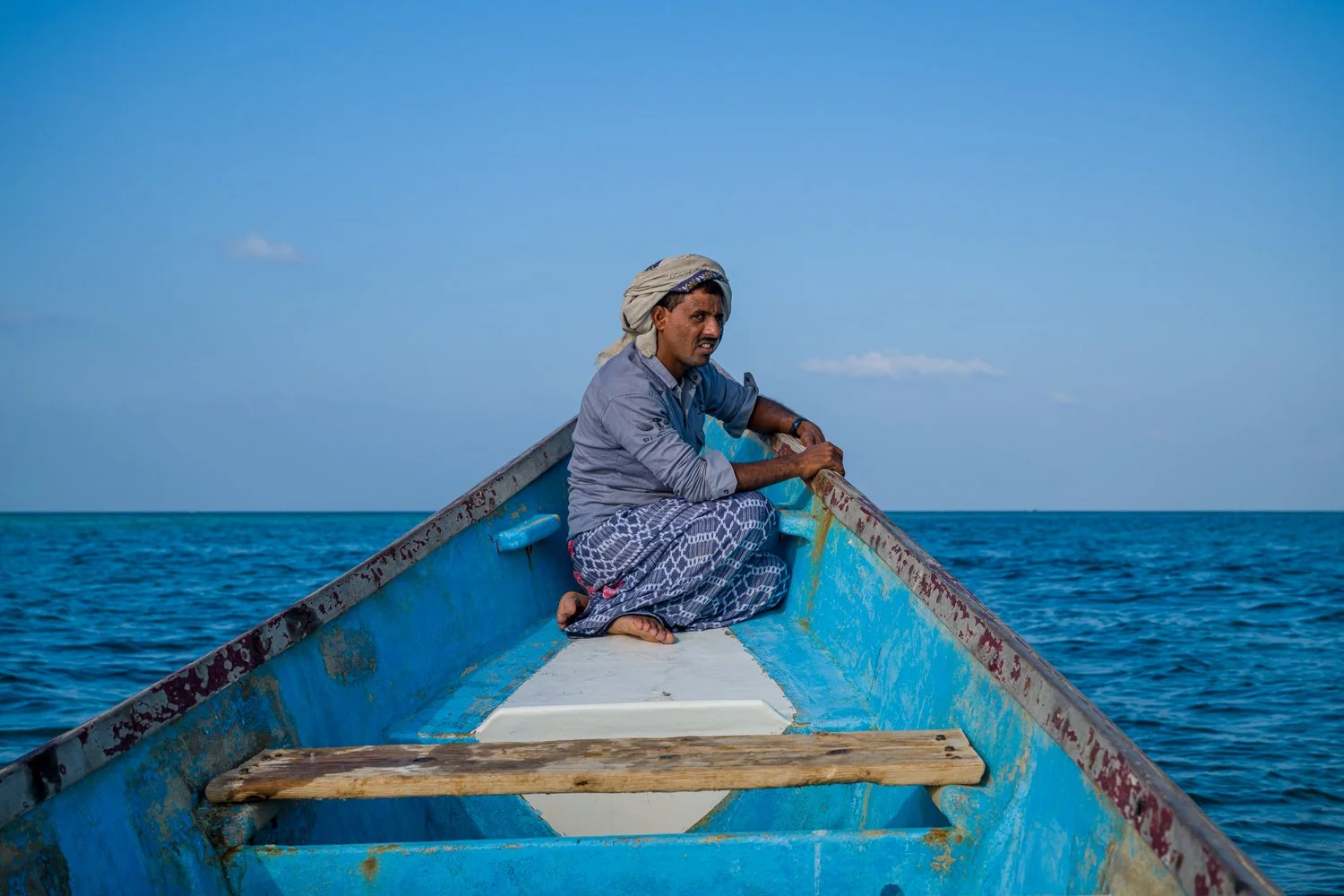
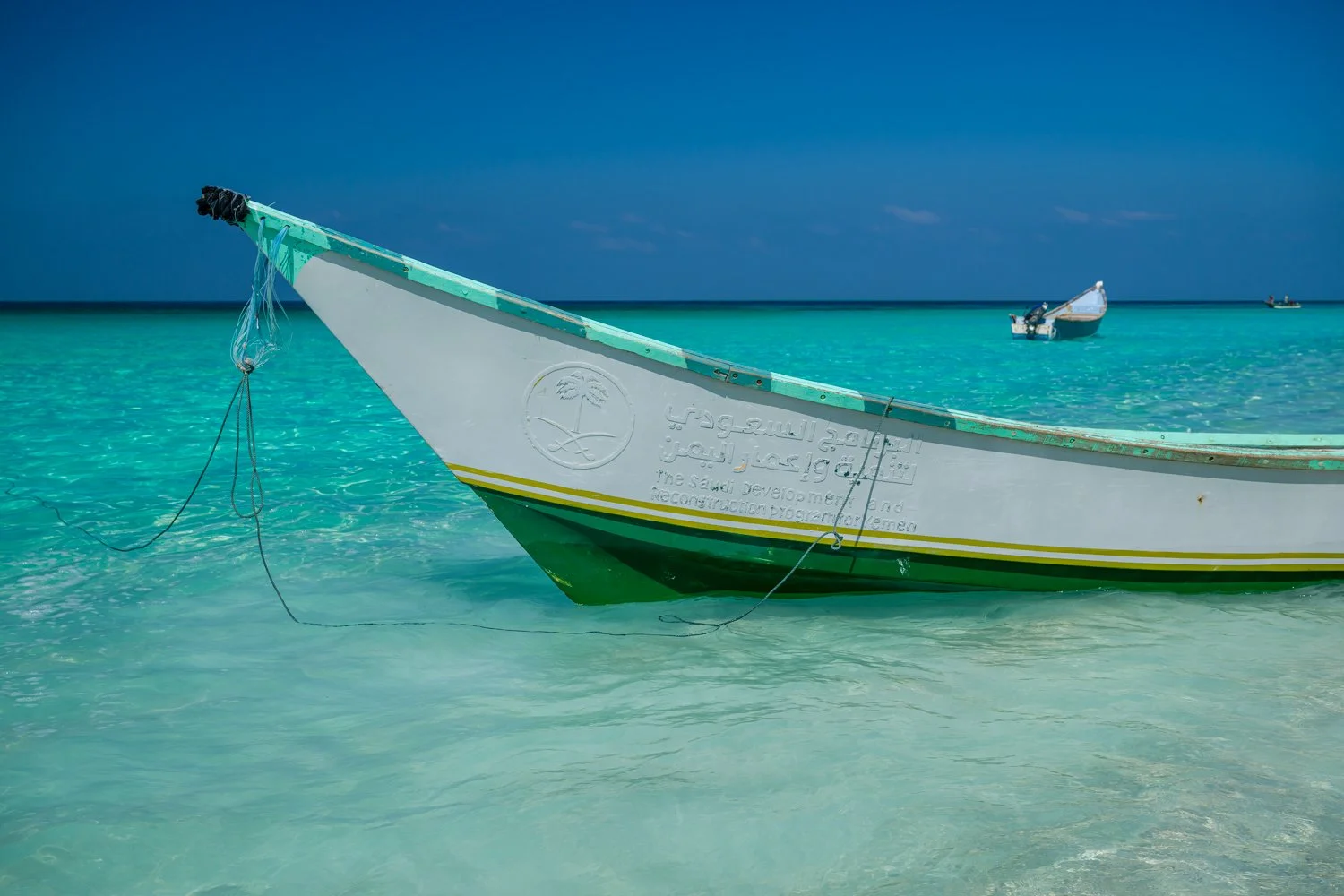
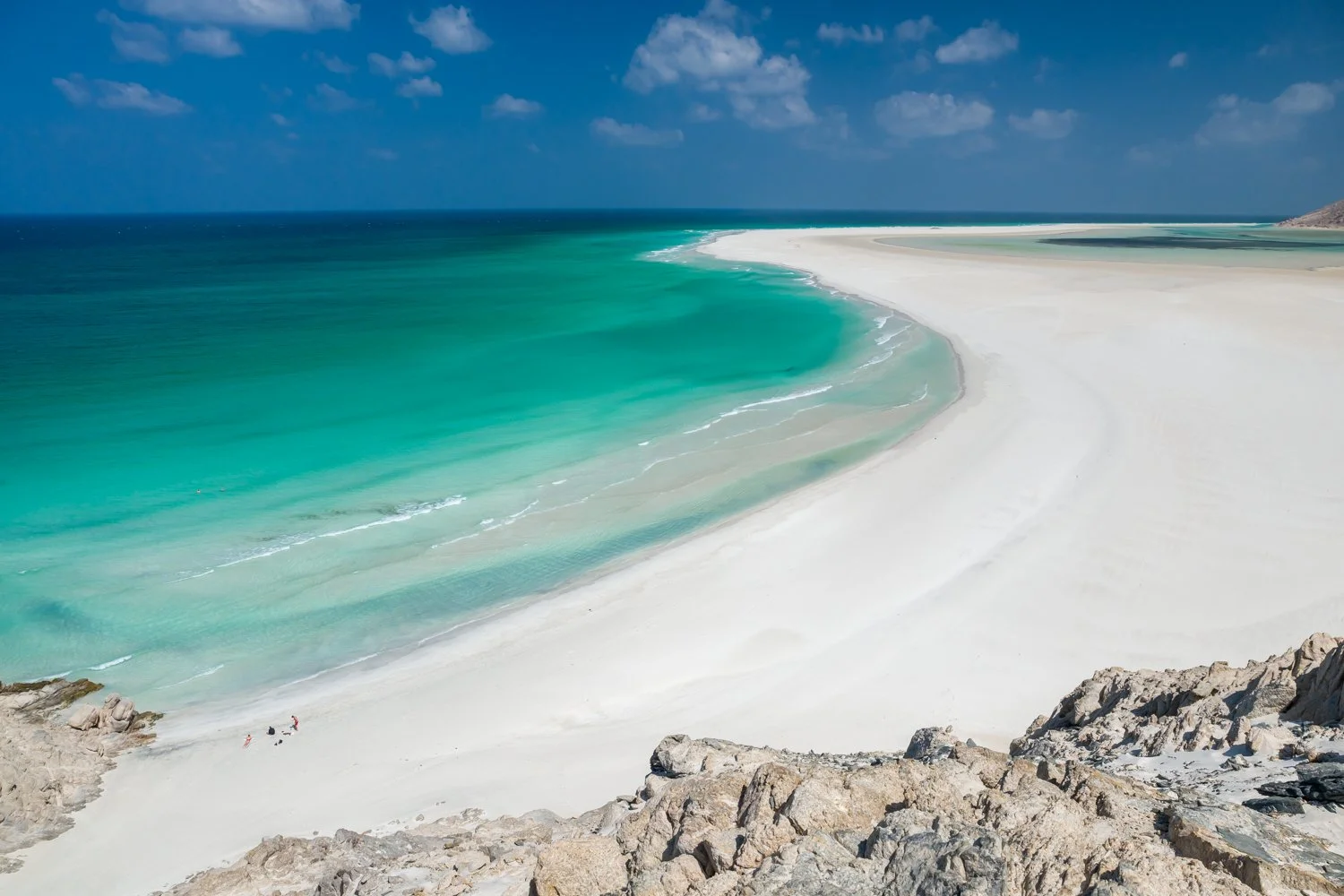
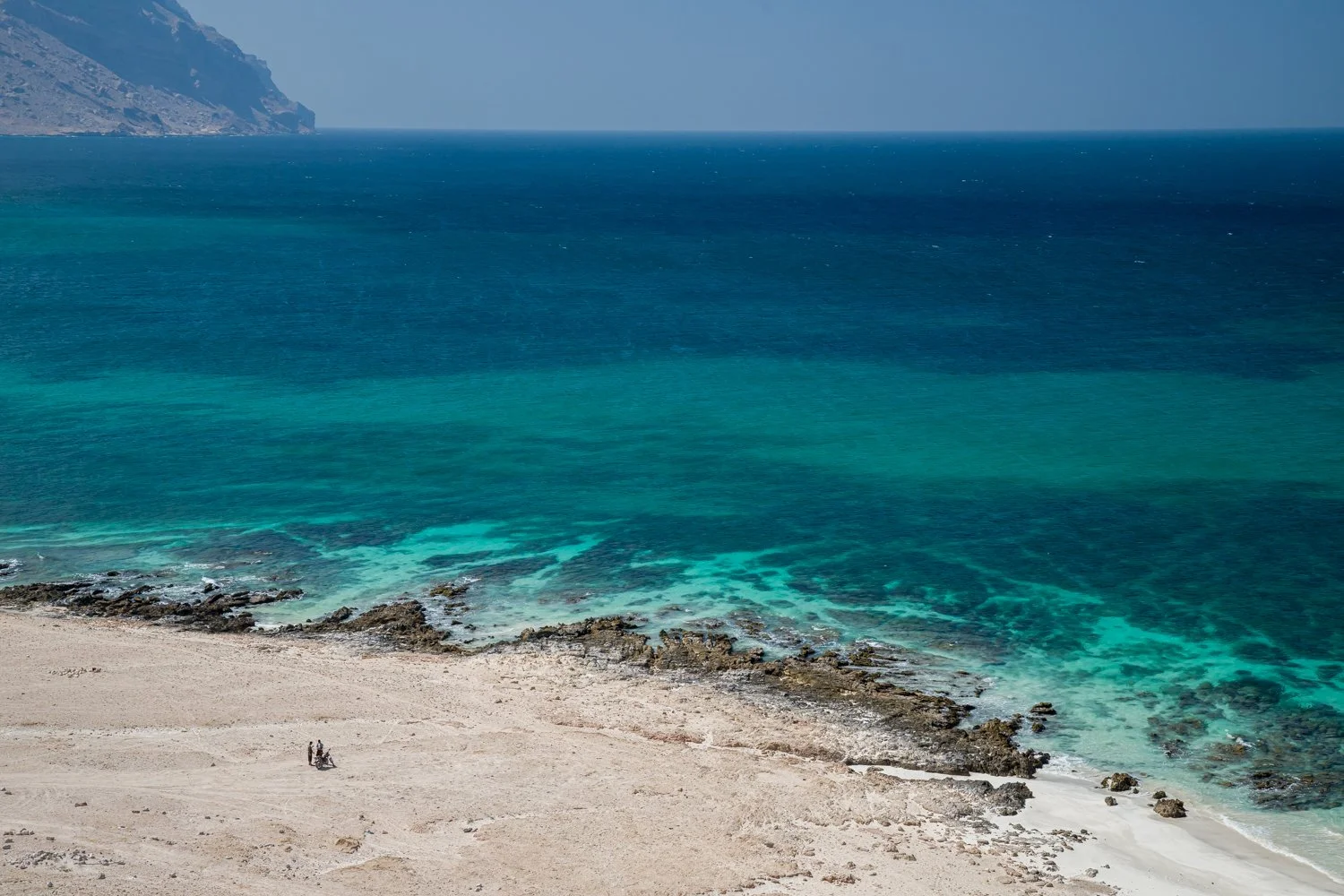
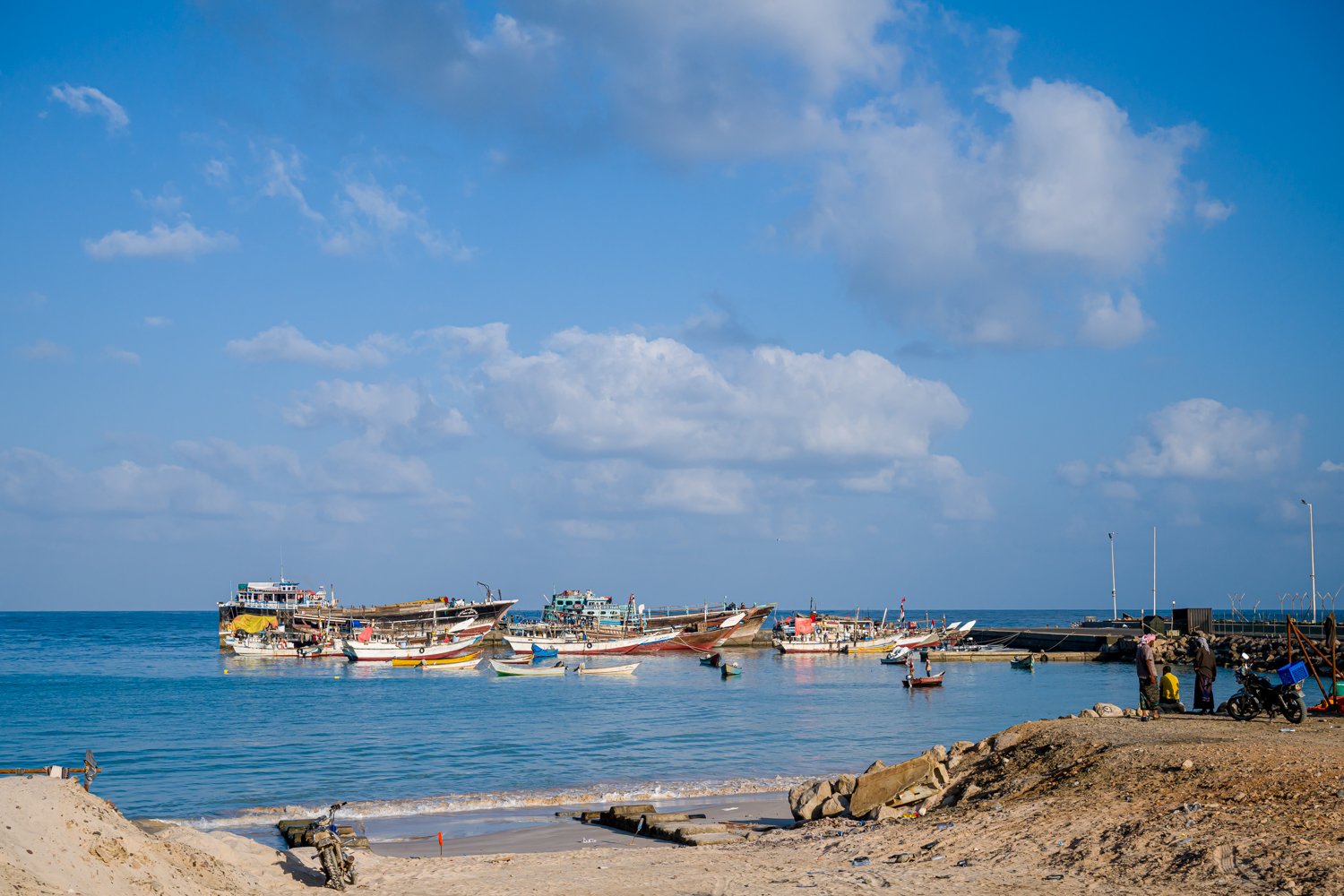
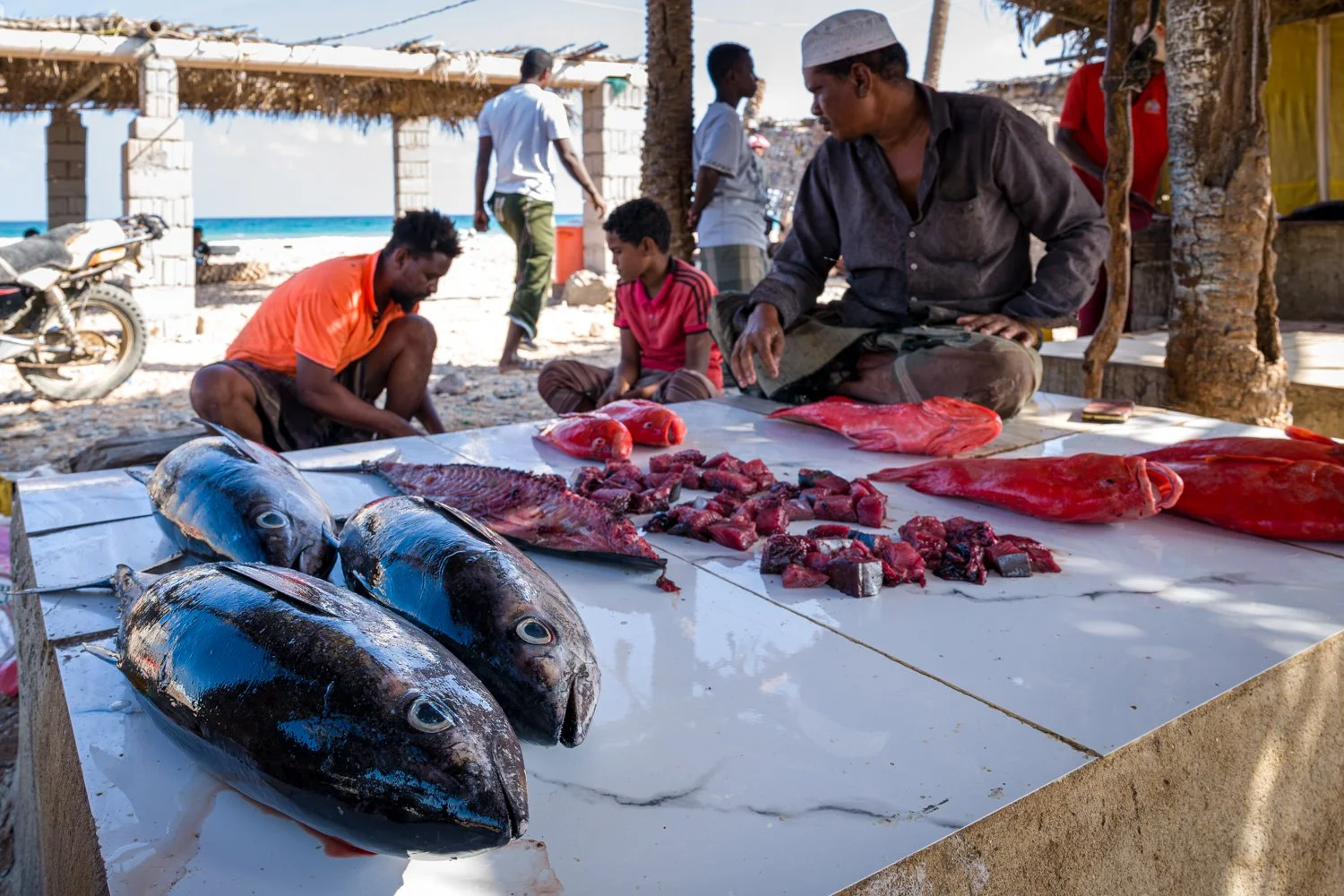
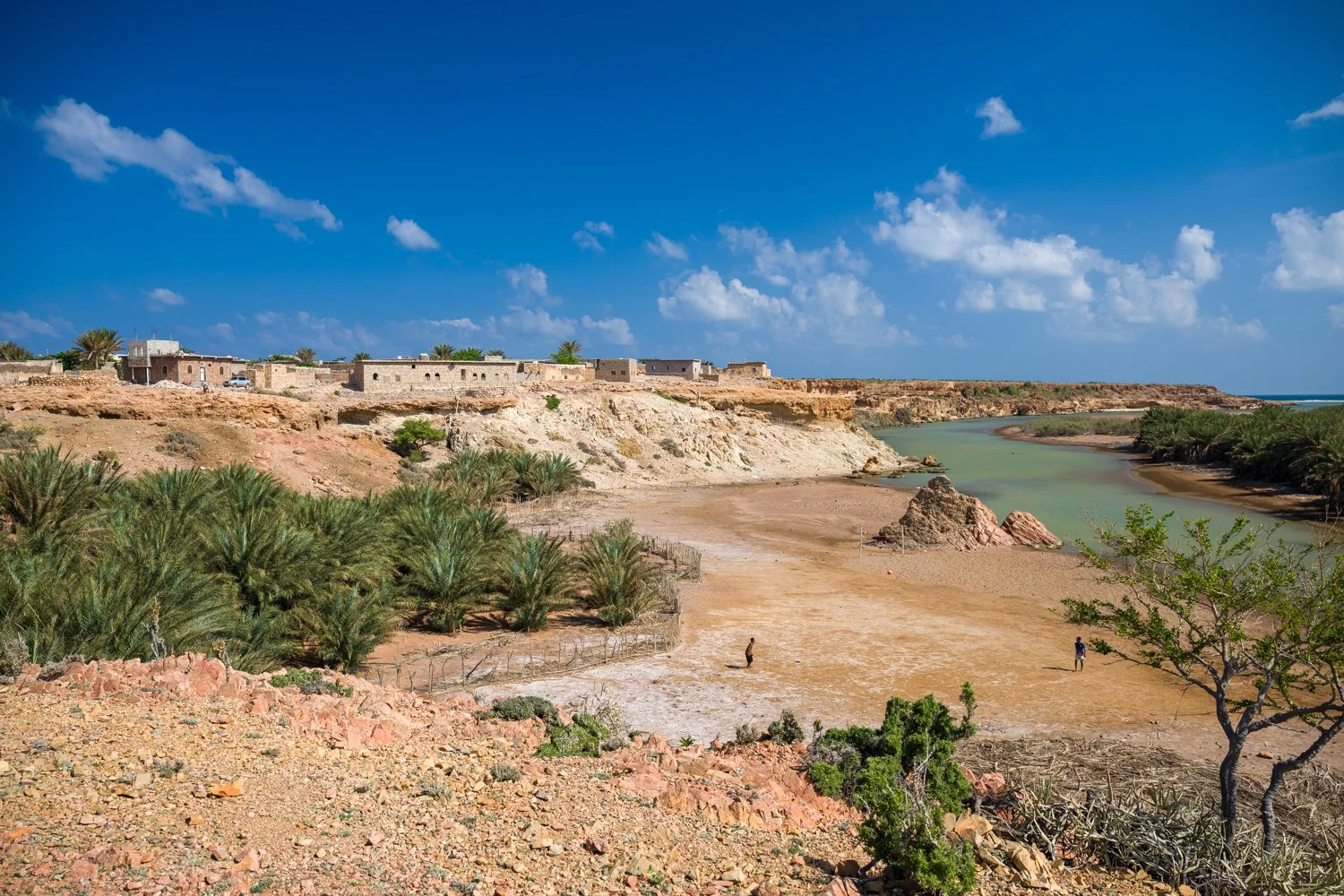
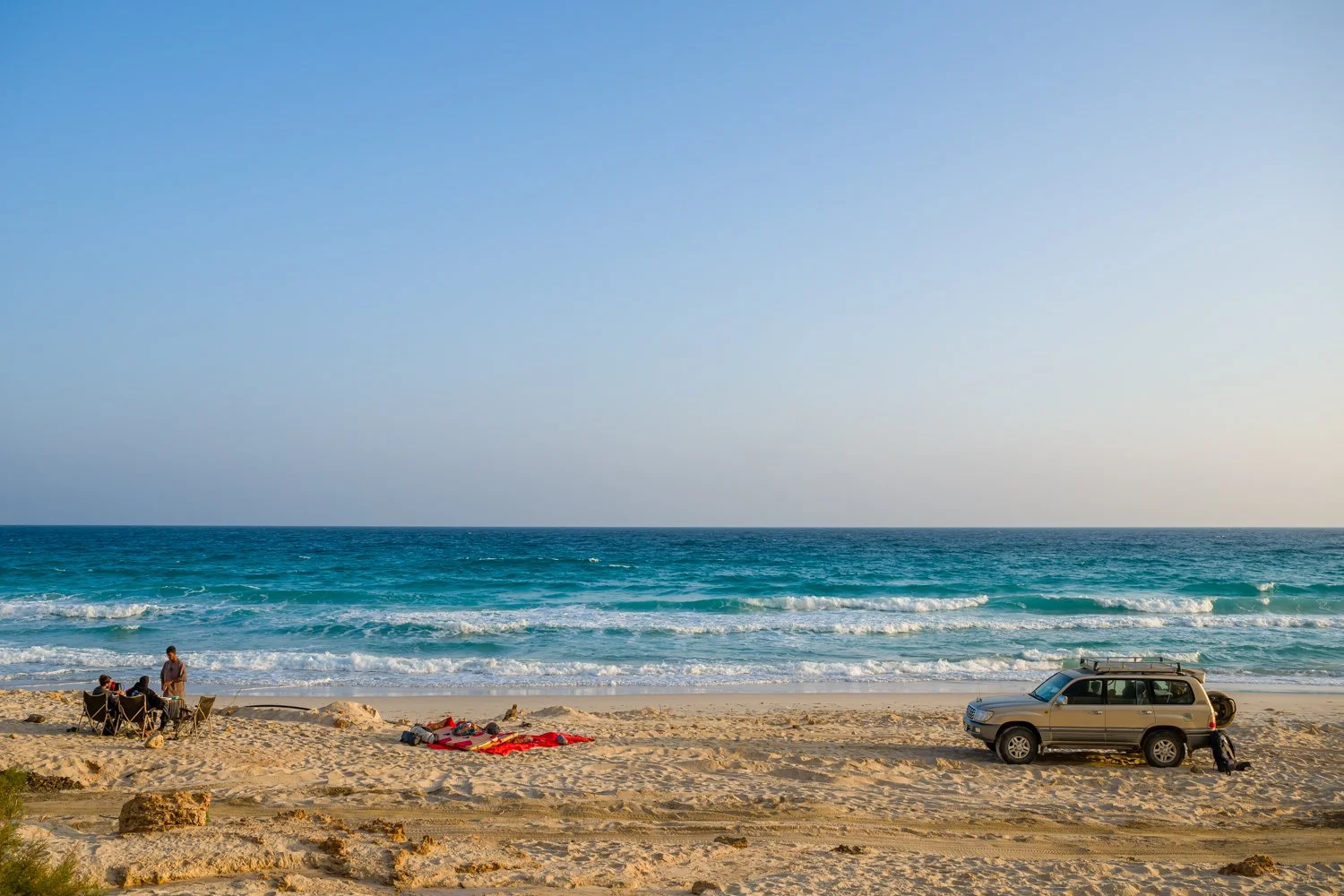
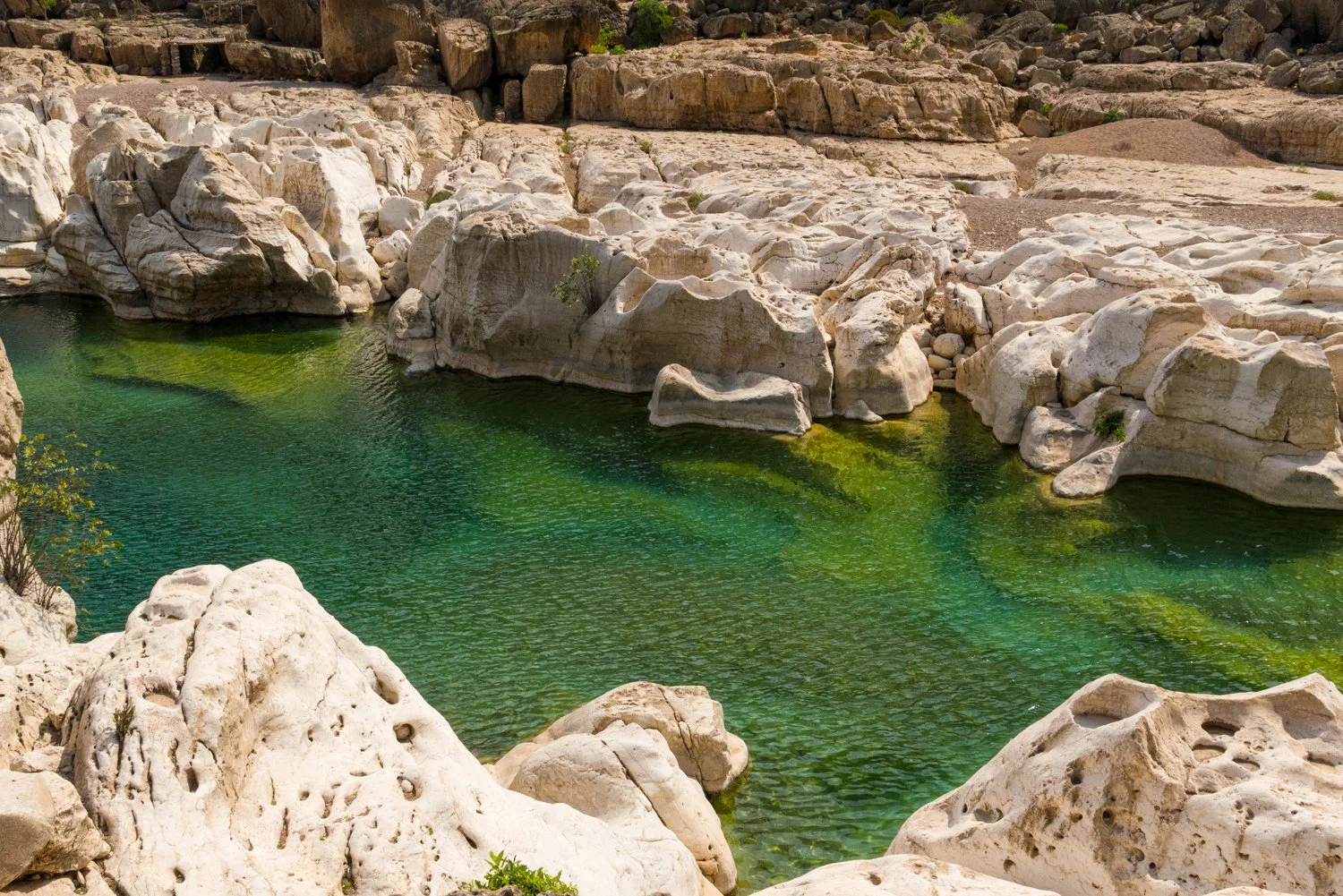
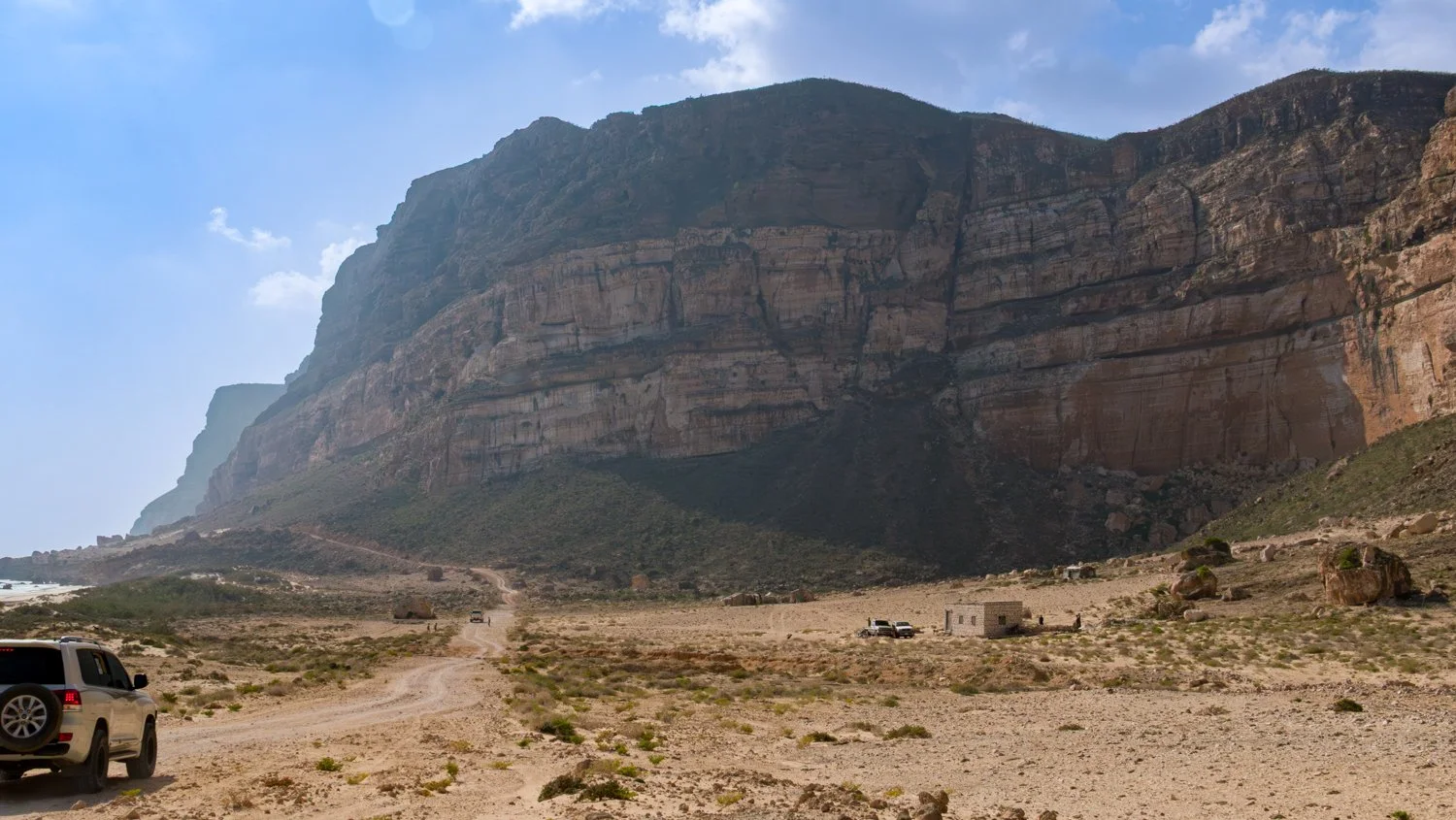
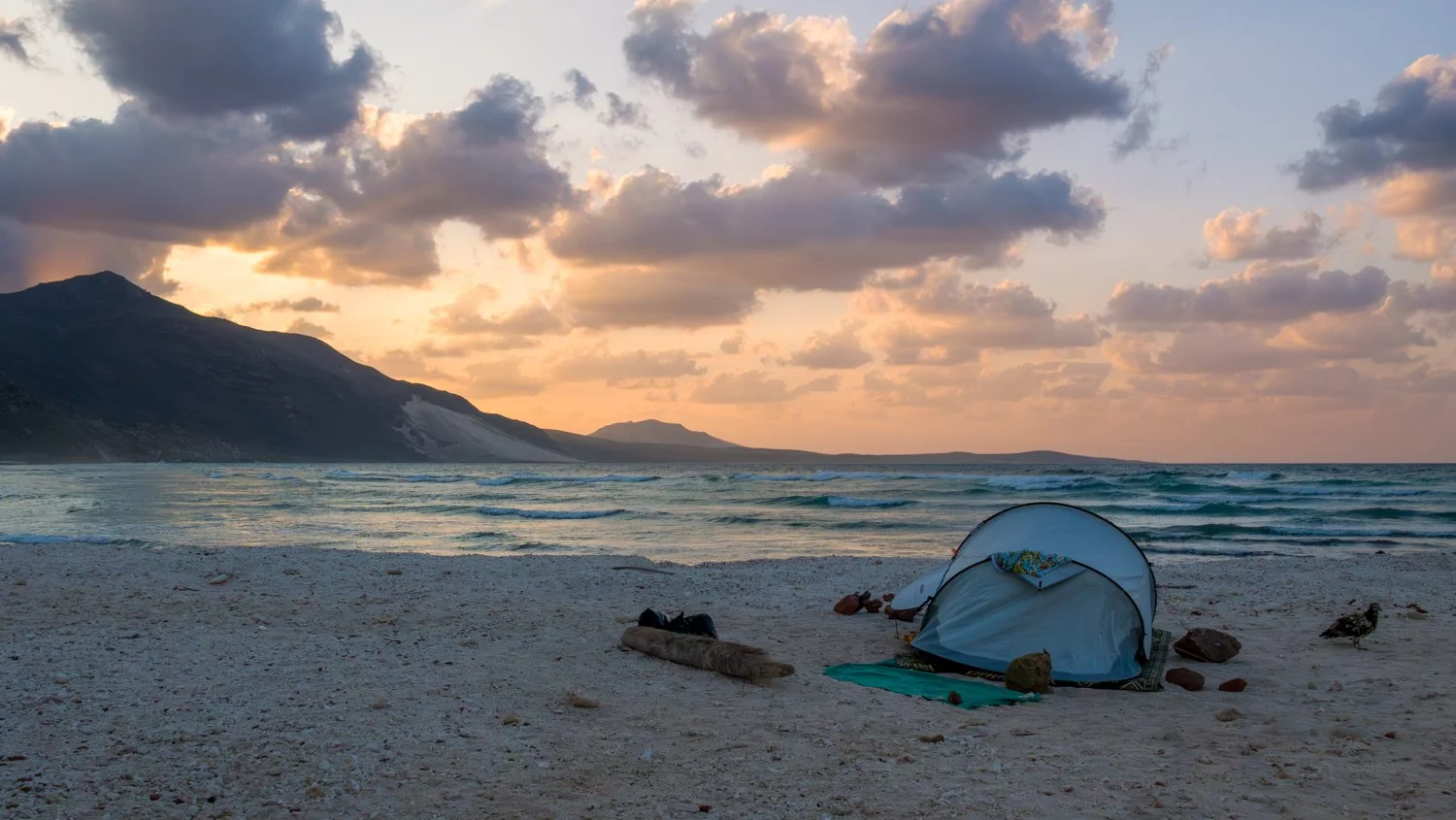
The next day, at my guide urges me to “wear my traditional dress,” as islanders are used to this, by which I finally realized he understandably meant, my western style cloth-my traditional dress. We drive to the town of Qalansiyah and I am bundled into a local fishing boat, called a dow. Abdulaseef, the two boatmen, and I power under staggering red cliffs on a luminous turquoise water, and in and out of sea stacks, with a small fleet of other boats doing the same. I don’t think I have ever seen water that is so clear and blue it glows, as at Shoab Beach. A pod of spinner dolphins, including a few adolescents, appear mid morning, and I swim out rapidly to tread water in their midst as they fish, jumping and twirling, around me. It is a surreal moment, almost hard to process. Back in Qalansiyah, after a turbulent ride against the wind, Abdulaseef pointed me to a reef. I find myself surrounded by parrotfish, triggerfish, jacks, urchins and other fish I cannot recognize. I haven’t seen this kind of abundance since I lived in Micronesia. I fleetingly catch sight of a sea turtle but it is fearful, justifiably, on an island where people survive by fishing and herding, and traditional ways include eating sea turtle. Falling asleep that night I realize it is Thanksgiving Day, although not having a SIM card (because, Yemen) I have lost track of the days. But what a day.
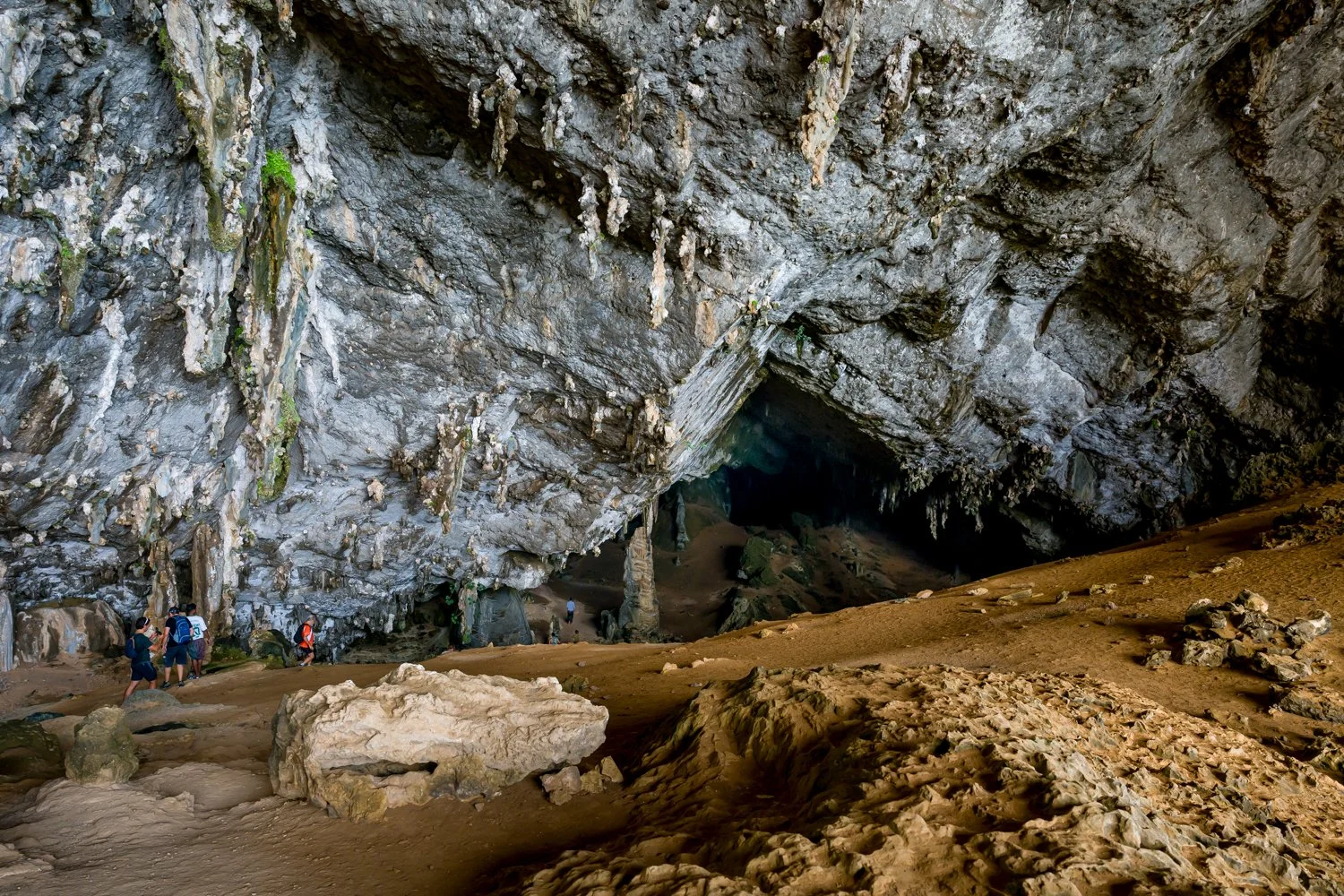
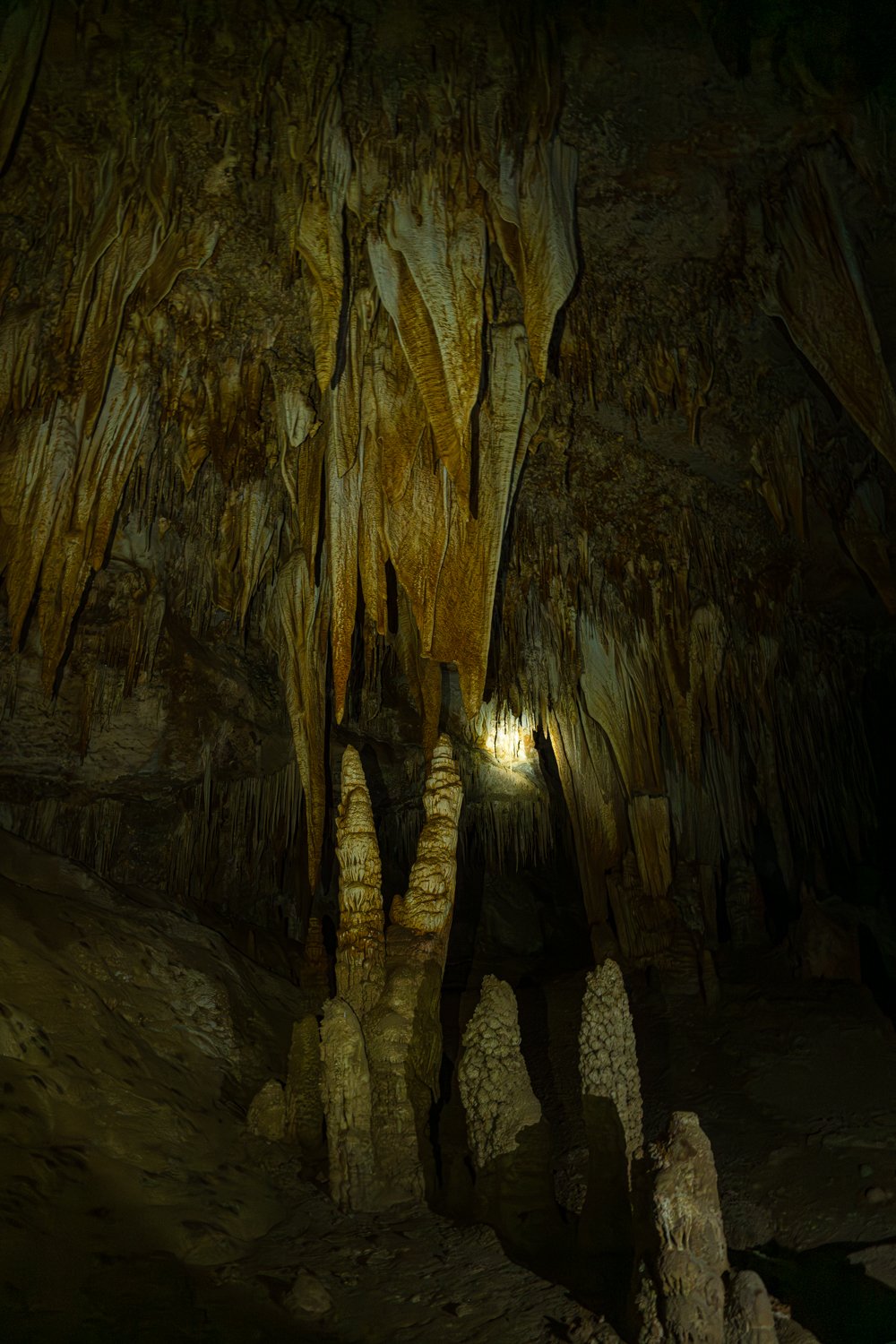
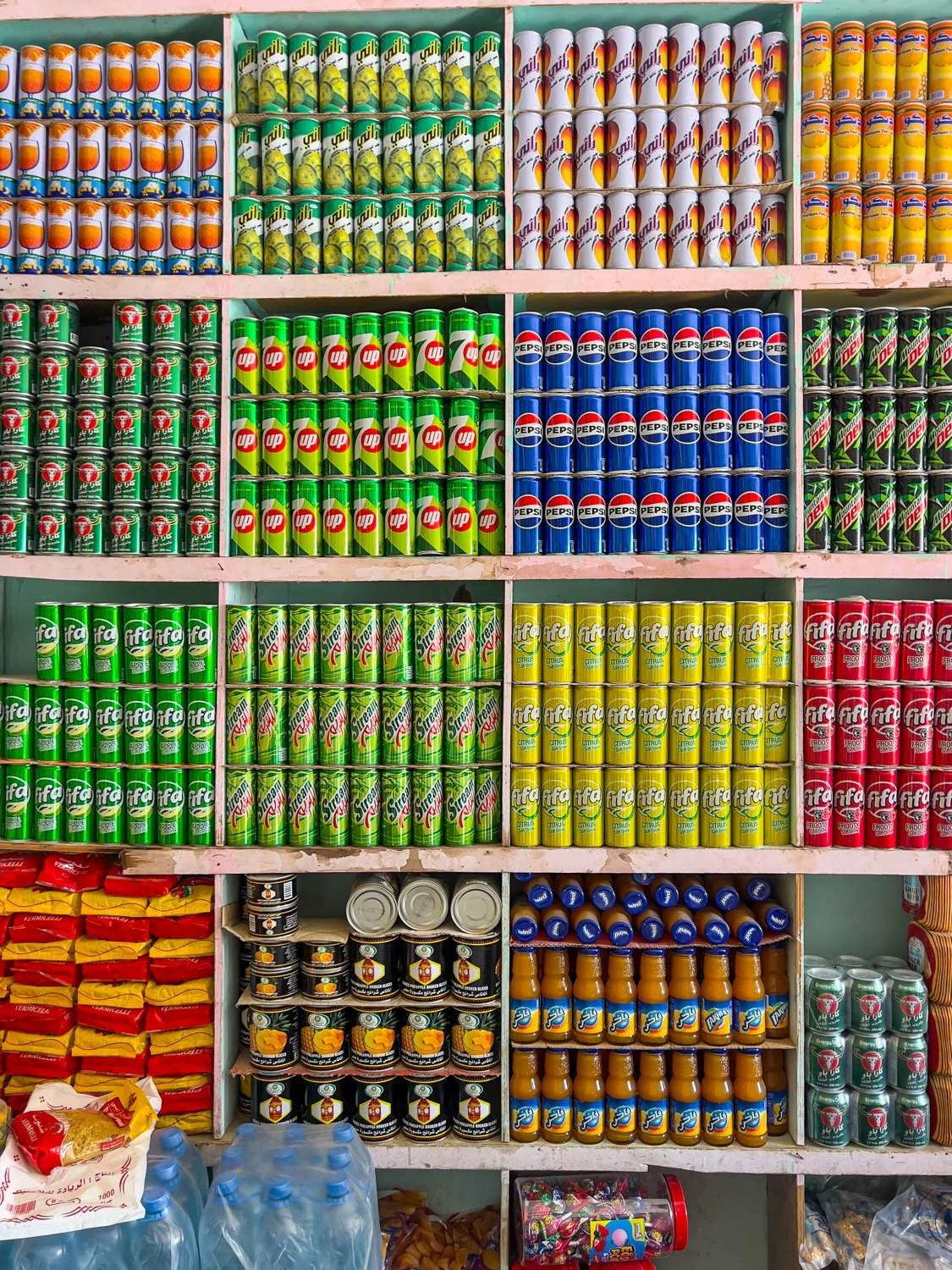
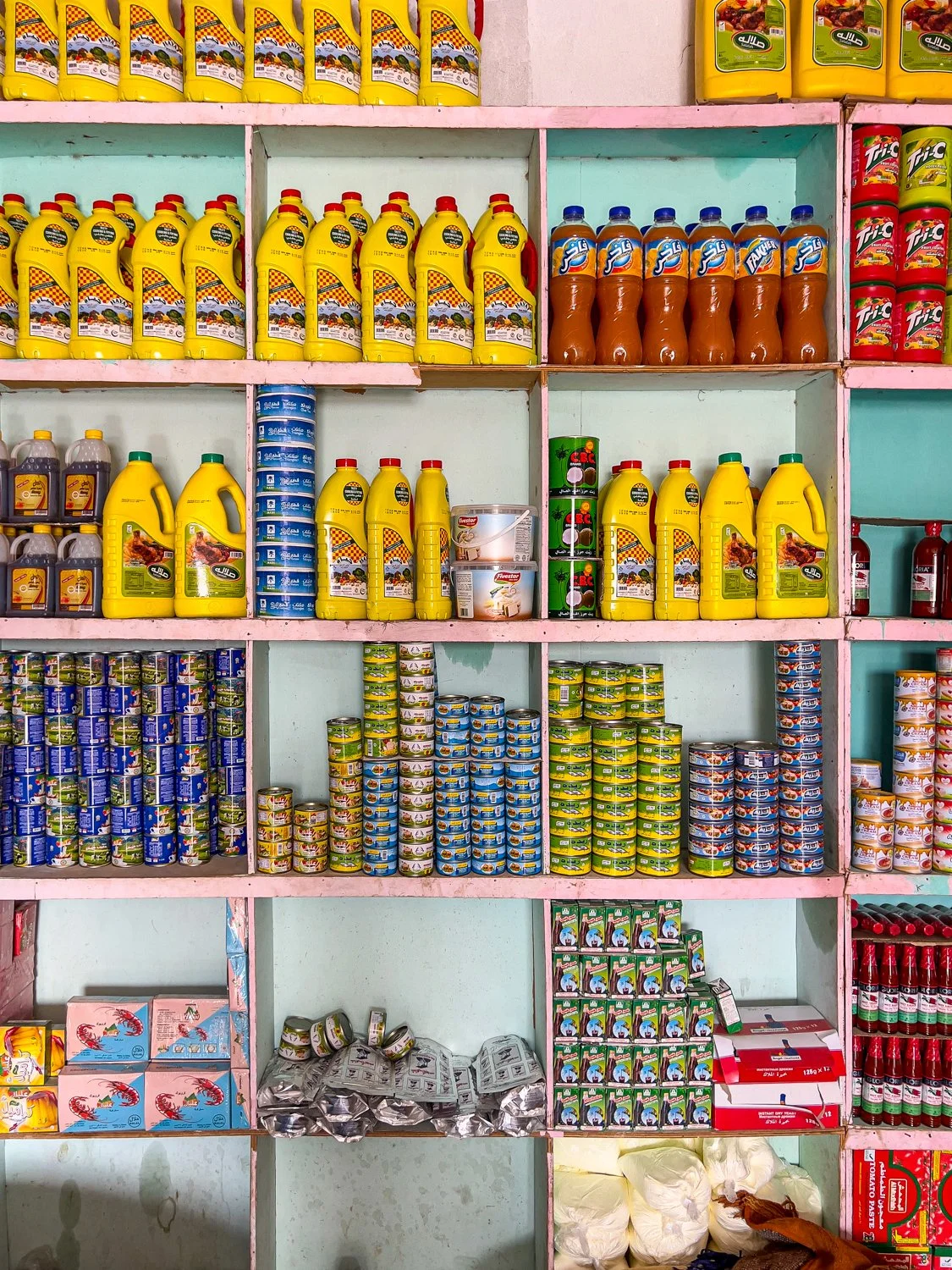
If you are interested in prints please check out my print shop (and if an image you are interested in is not there please reach out directly)