

“The myrrh tree that’s key to luxury perfumes and African incomes is threatened by drought”
The Associated Press, April 11, 2026
January 2026 I went to the Somali Region of Ethiopia with an international team of researchers to study myrrh. Myrrh is a tree resin, often partnered with Frankincense, botanically and in it’s applications, which span the beauty and wellness industry, spiritual and religious use. Myrrh has been used since the times of ancient Egypt and Babylon but has not been studied intensively as it grows in remote, politically unstable regions of the Horn of Africa and the Middle East. The researchers, led by Anjanette DeCarlo and Stephen Johnson, founders of Save Frankincense documented the ecological health, cultural practices and supply chain.
I photographed and wrote a piece for the AP News on the impact of the climate crisis on myrrh trees, and the communities which rely on them. The piece has been subsequently republished by the Boston Globe, the Washington Times, PBS, Houston Chronicle, and more than forty other international outlets.
Many thanks to Alyssa Goodman at the AP Climate and Environment Desk for picking up the story and patiently working with me to bring it to life.
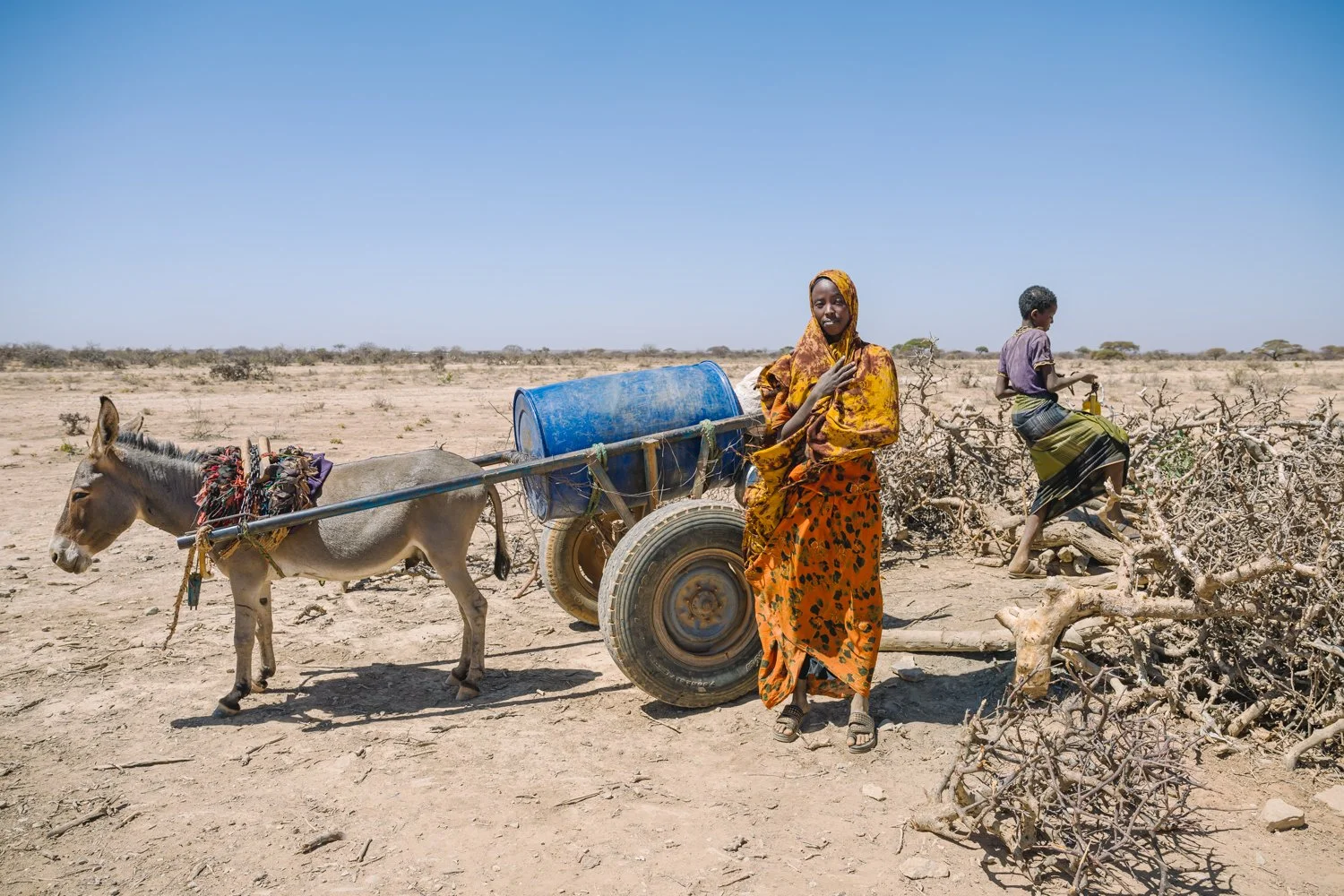
Children seeking water bring their donkey cart to a well, dug into the bottom of what should be a lake, surrounded by thorny brush to prevent livestock from falling in Thursday Jan. 8, 2026, in Afcadde, Ethiopia.
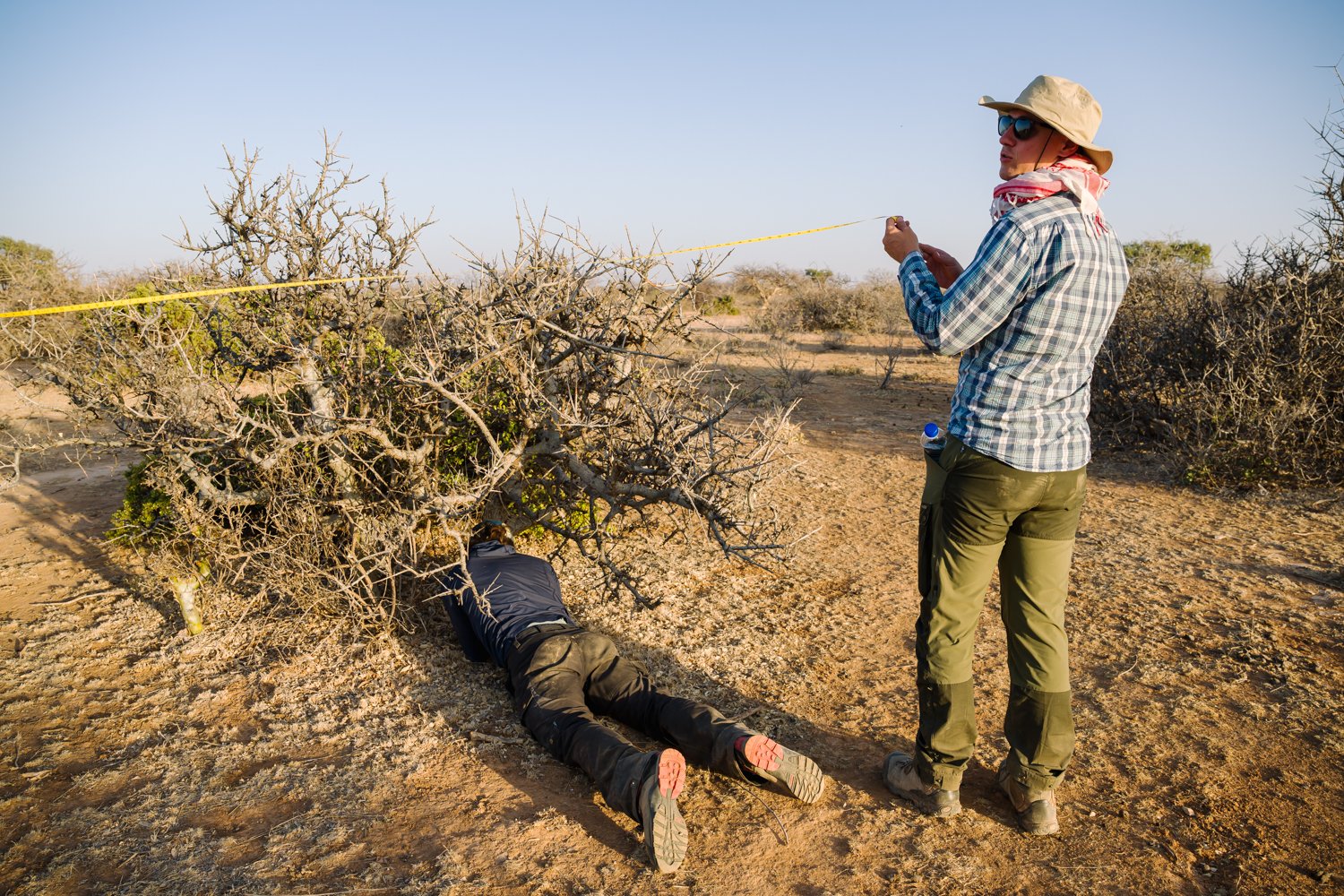
Stephen Johnson and Sam Osborn, bottom, measure a Commiphora myrrha tree during what is called ecological transects, measuring a quadrant, counting the number of trees, measuring their trunk, crowns, as well as health, on Wednesday Jan. 7, 2026, in Dharaaye, Ethiopia.
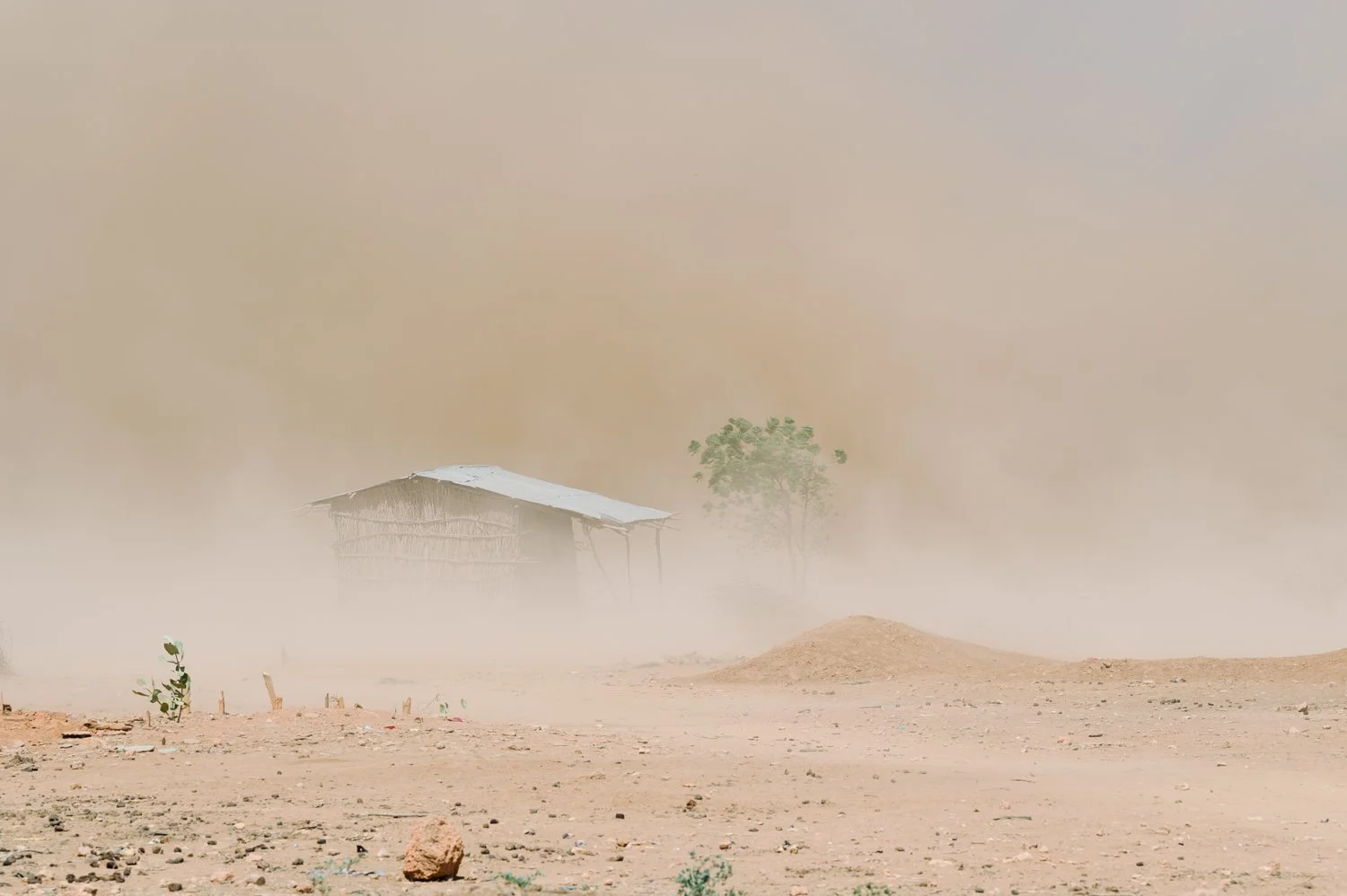
Dust engulfs a home and tree barely visible made worse amid a drought on Friday Jan. 9, 2026, in Sanqotor, Ethiopia.
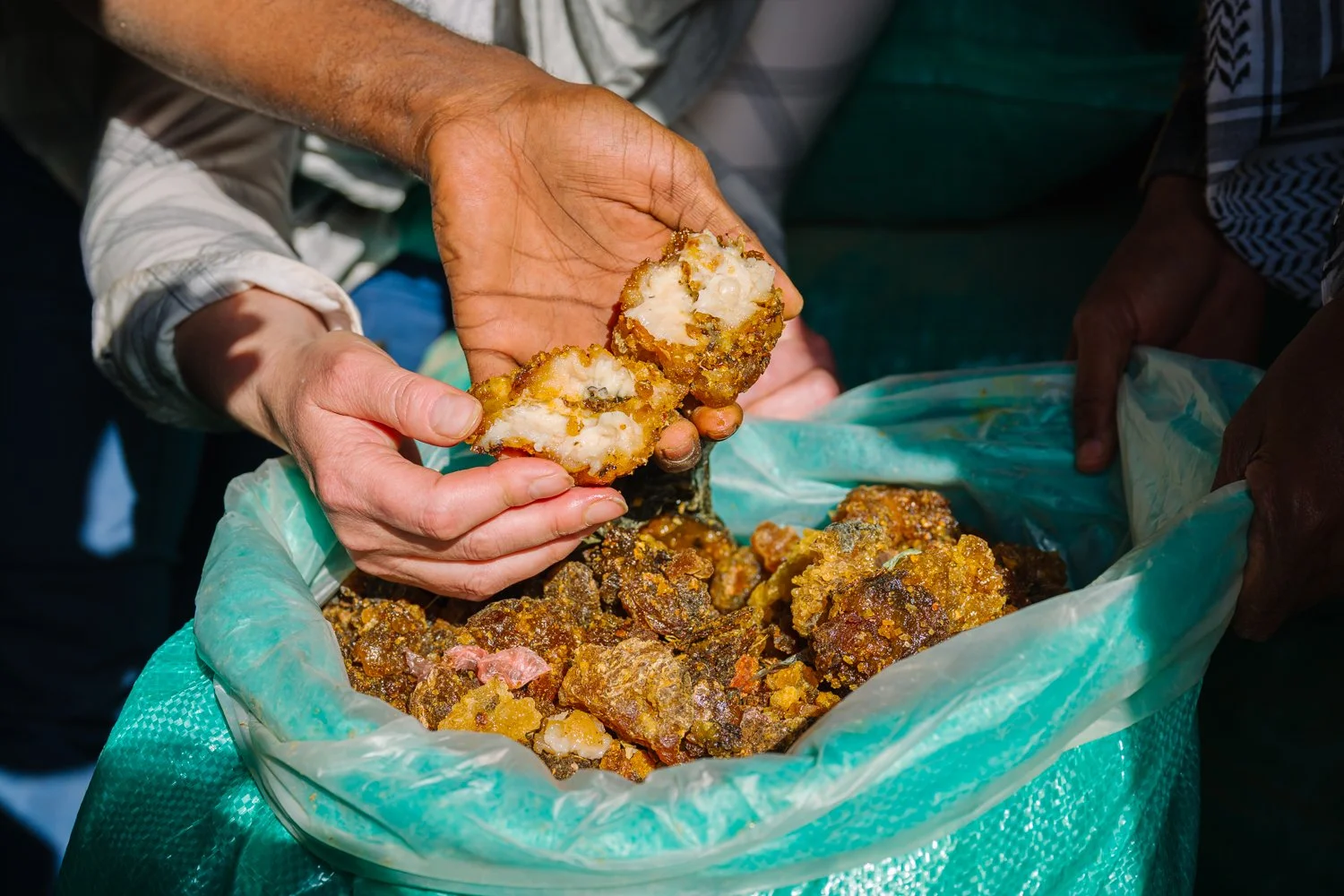
Members of a research team hold pieces of naturally exudated resin from myrrh, locally called suhul, which is extremely high quality and fragrant, Thursday Jan. 8, 2026, in Afcadde, Ethiopia.
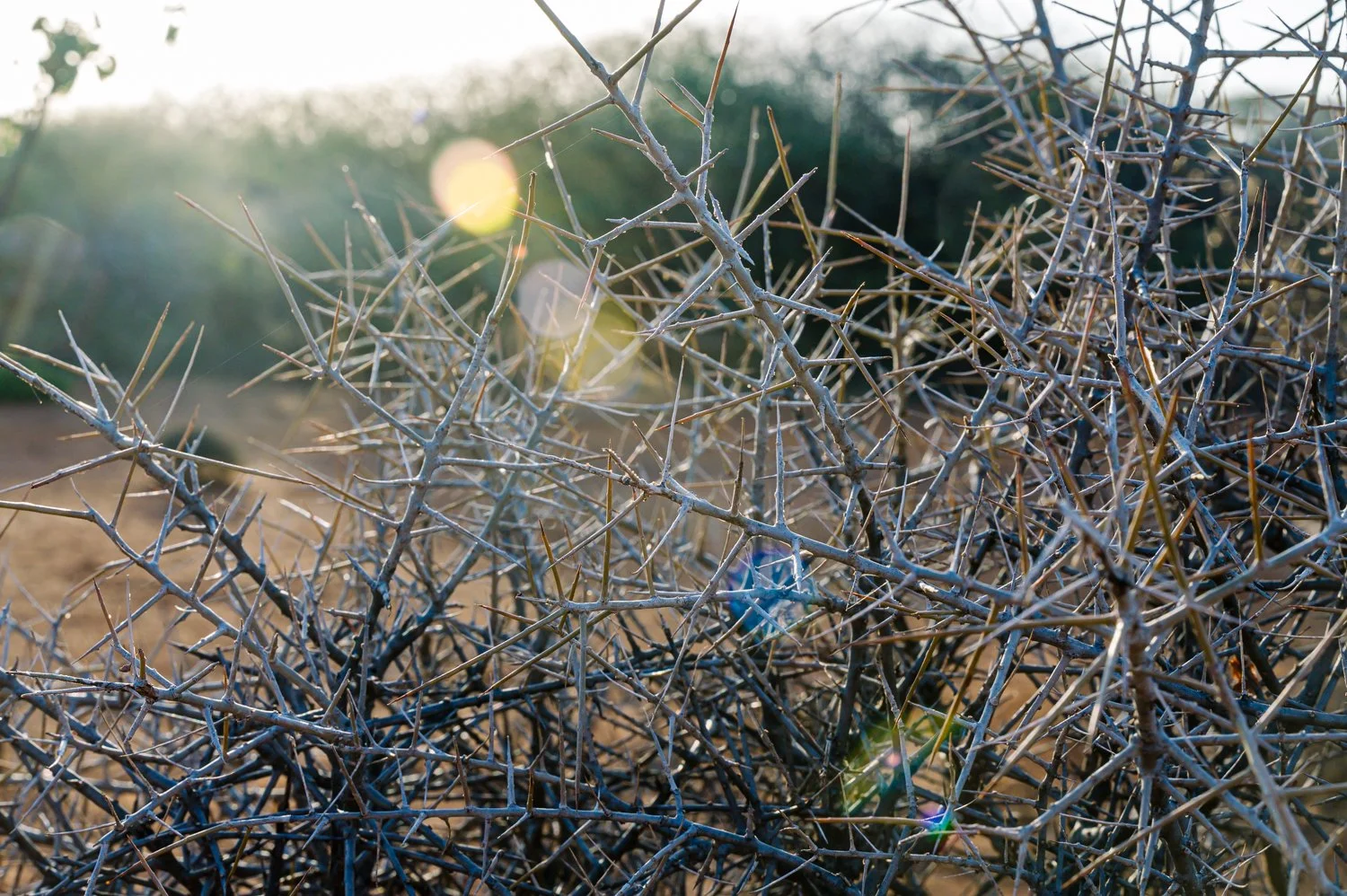
Sun shines on Commiphora myrrha trees with large thorns to protect itself against grazing livestock and wildlife Saturday Jan. 10, 2026, in Sanqotor, Ethiopia.
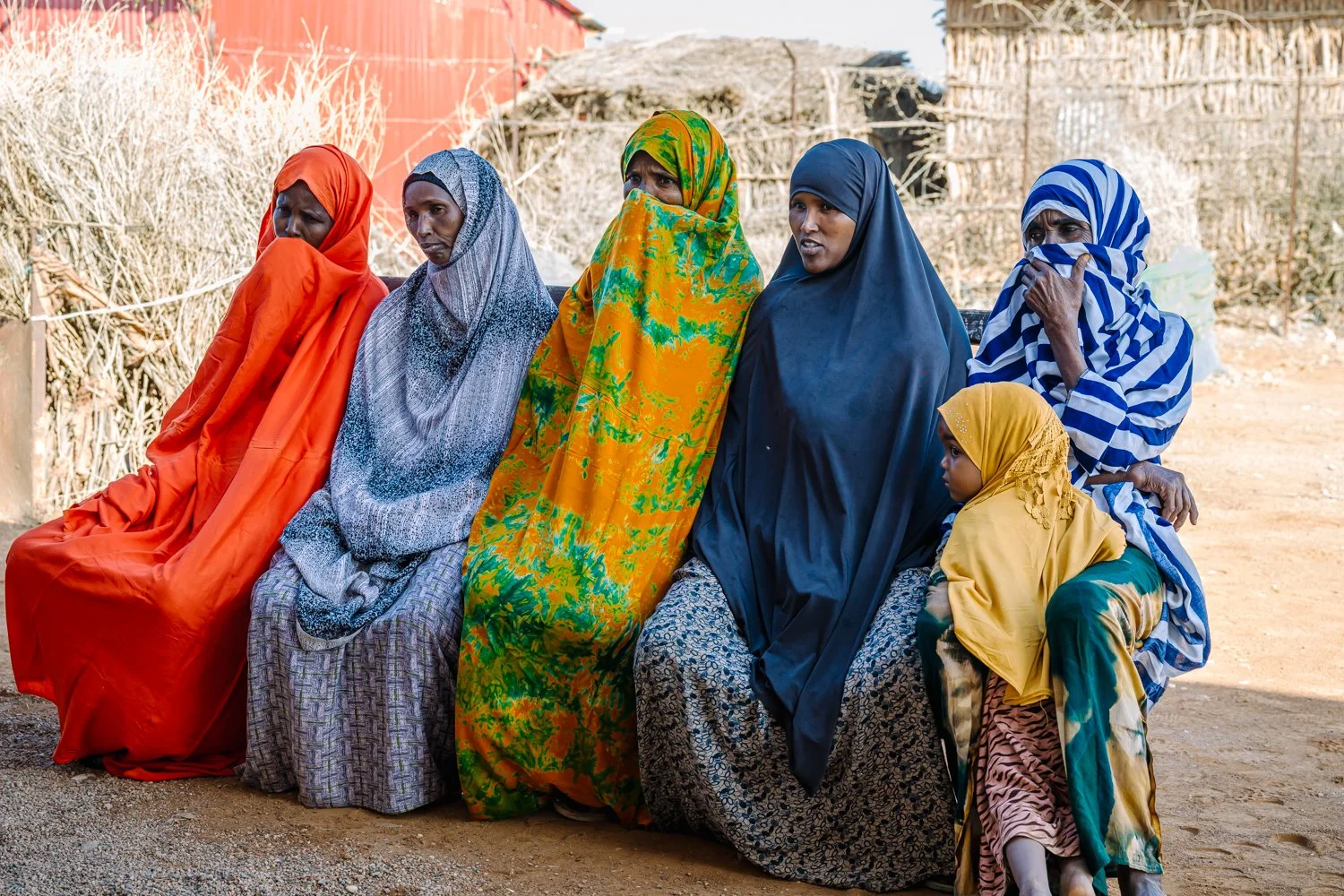
Women, who often help harvest myrrh, gather for a focus group to discuss it amid a drought Thursday Jan 8, 2026 in Afcadde, Ethiopia.
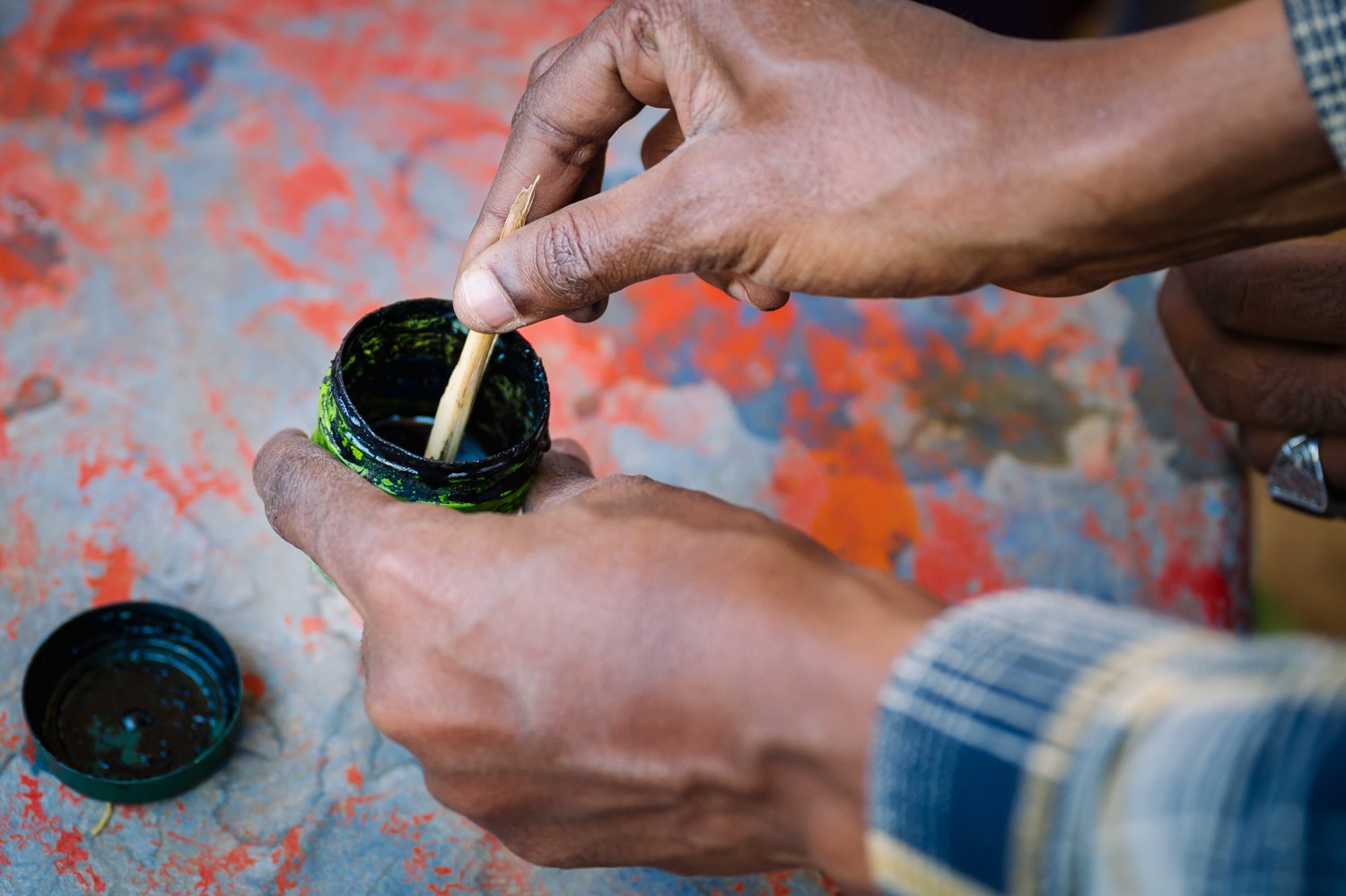
Myrrh, in Islam tradition, is turned into a black ink used only for writing the Quran and symbolizes the connection between the word and the divine. Dahir Yousef Abdi, guide from the Somali Region Pastoral and Agro-pastoral Research Institute, demonstrates ink made from myrrh Friday Jan. 9, 2026, in Sanqotor, Ethiopia. Myrrh, in Islam tradition, is turned into a black ink used only for writing the Quran and symbolizes the connection between the word and the divine.
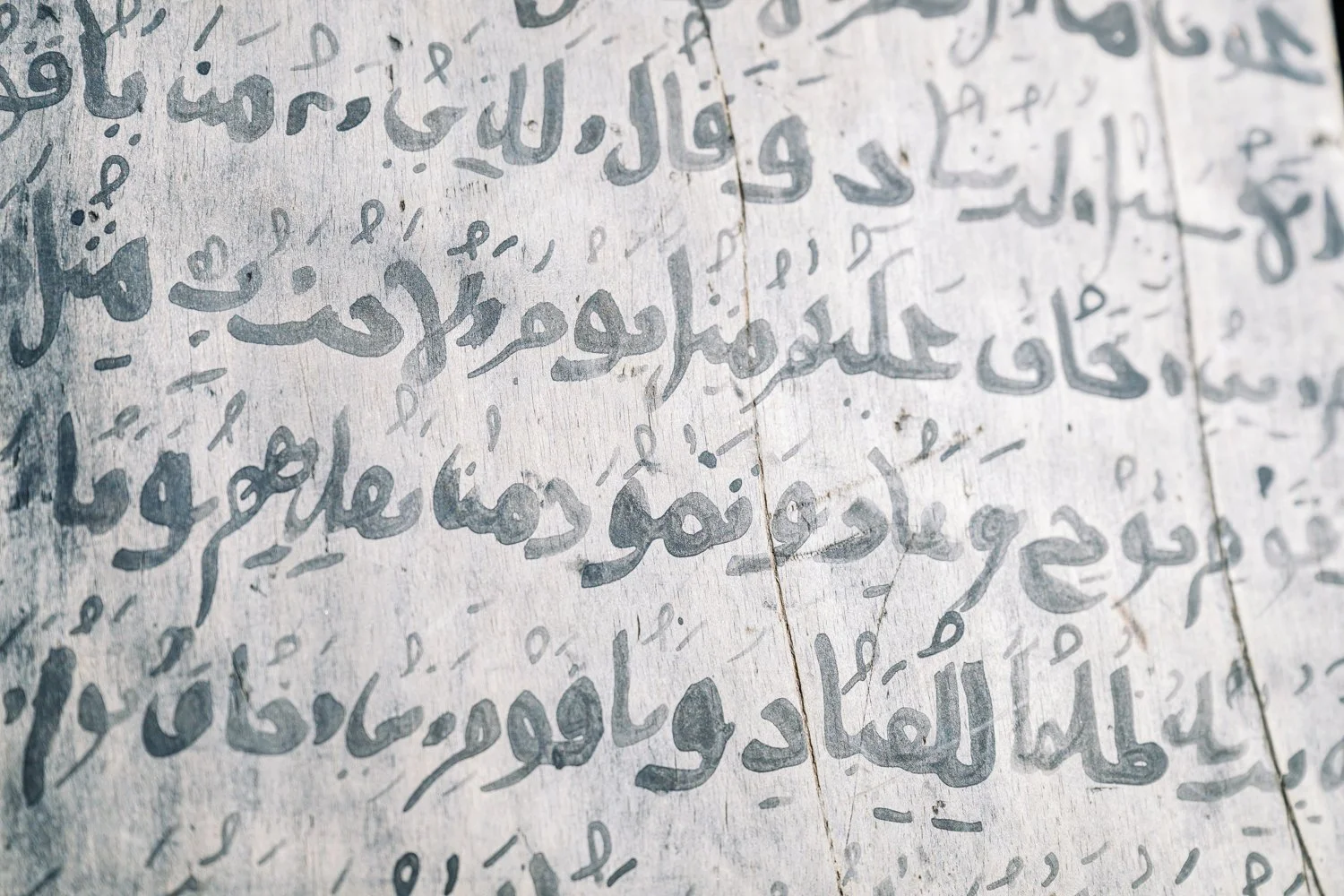
An example of text from the Quran, written on a wooden tablet with myrrh ink, is displayed Thursday Jan. 8, 2026, in Sanqotor, Ethiopia.
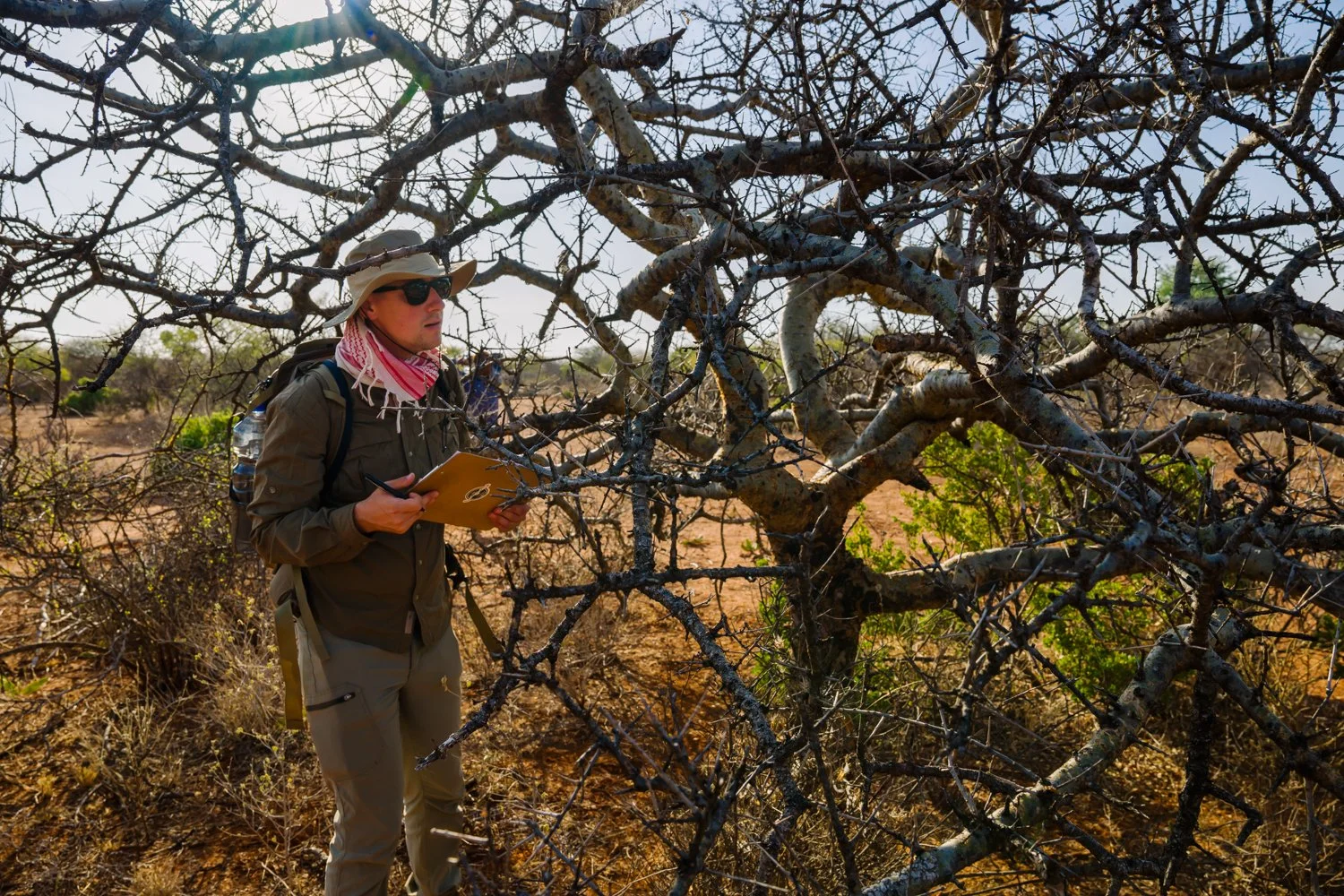
Stephen Johnson gathers data on a large, healthy Commiphora myrrha tree, the source of myrrh, Saturday Jan. 10, 2026, in Sanqotor, Ethiopia.
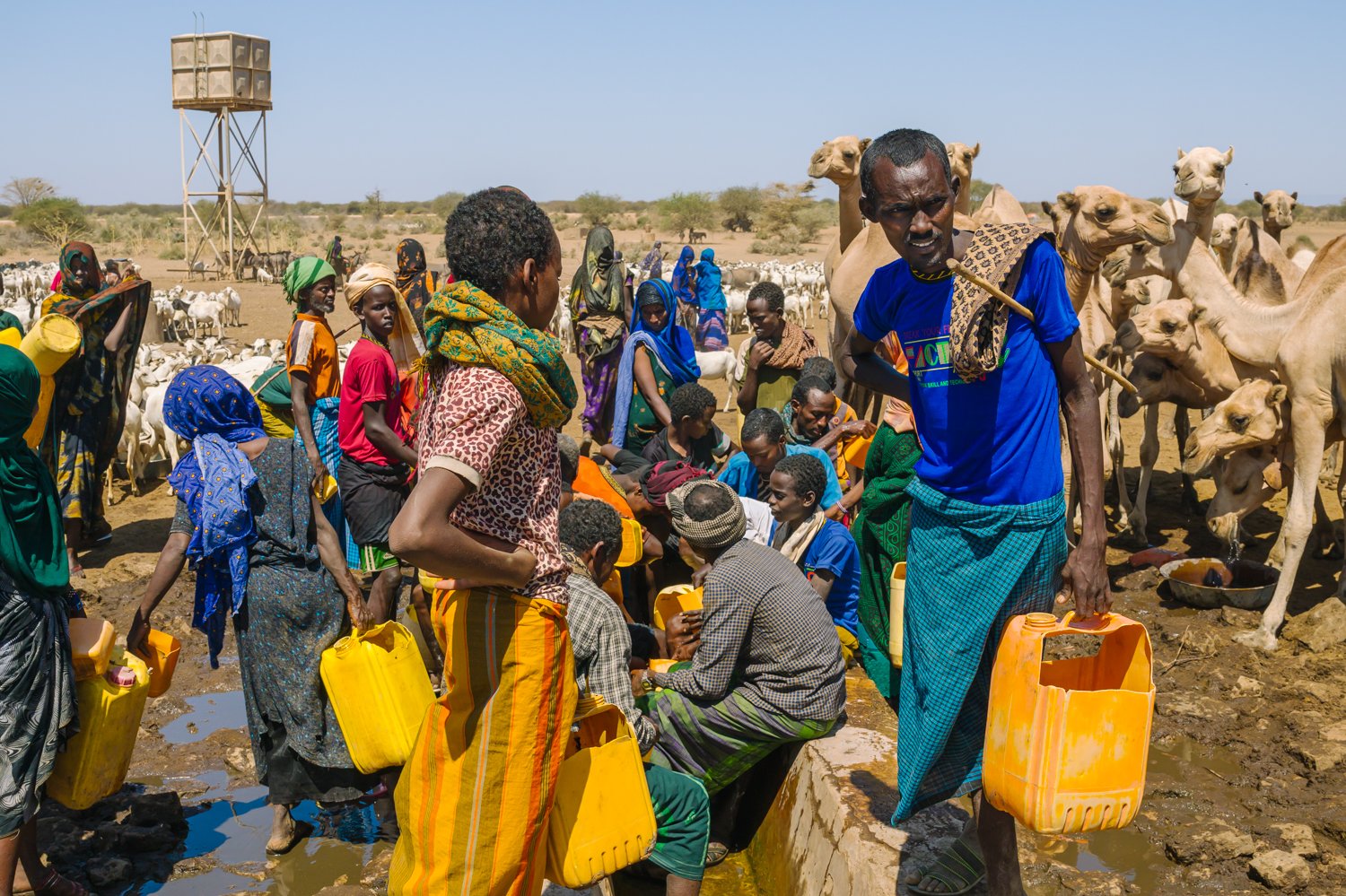
Amid a drought, herders gather after traveling to a well to get water for their livestock Friday Jan. 9, 2026, in Sanqotor, Ethiopia.
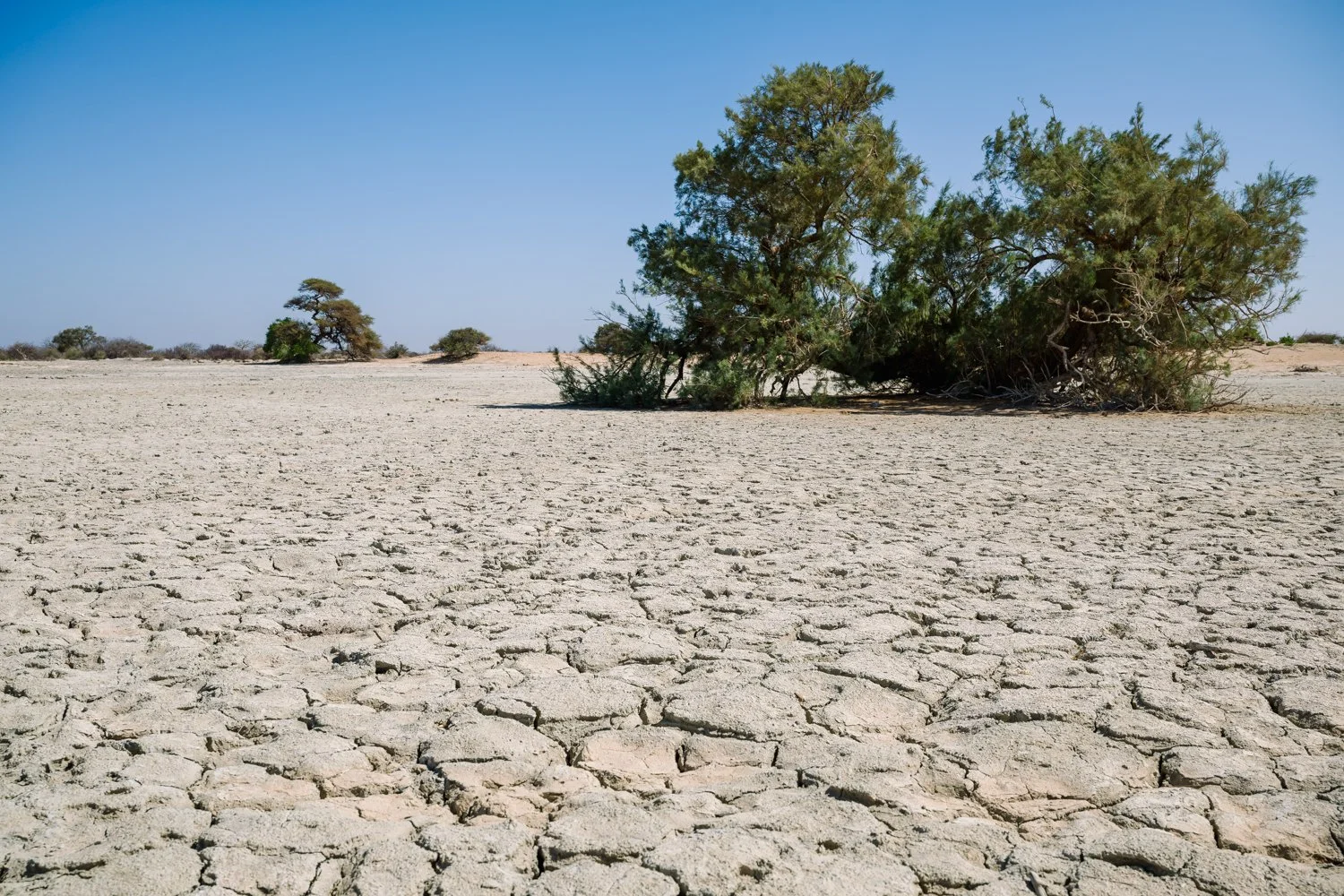
Amid a drought, a lake that should be full now, remains dry Thursday Jan. 8, 2026, outside Afcadde, Ethiopia.
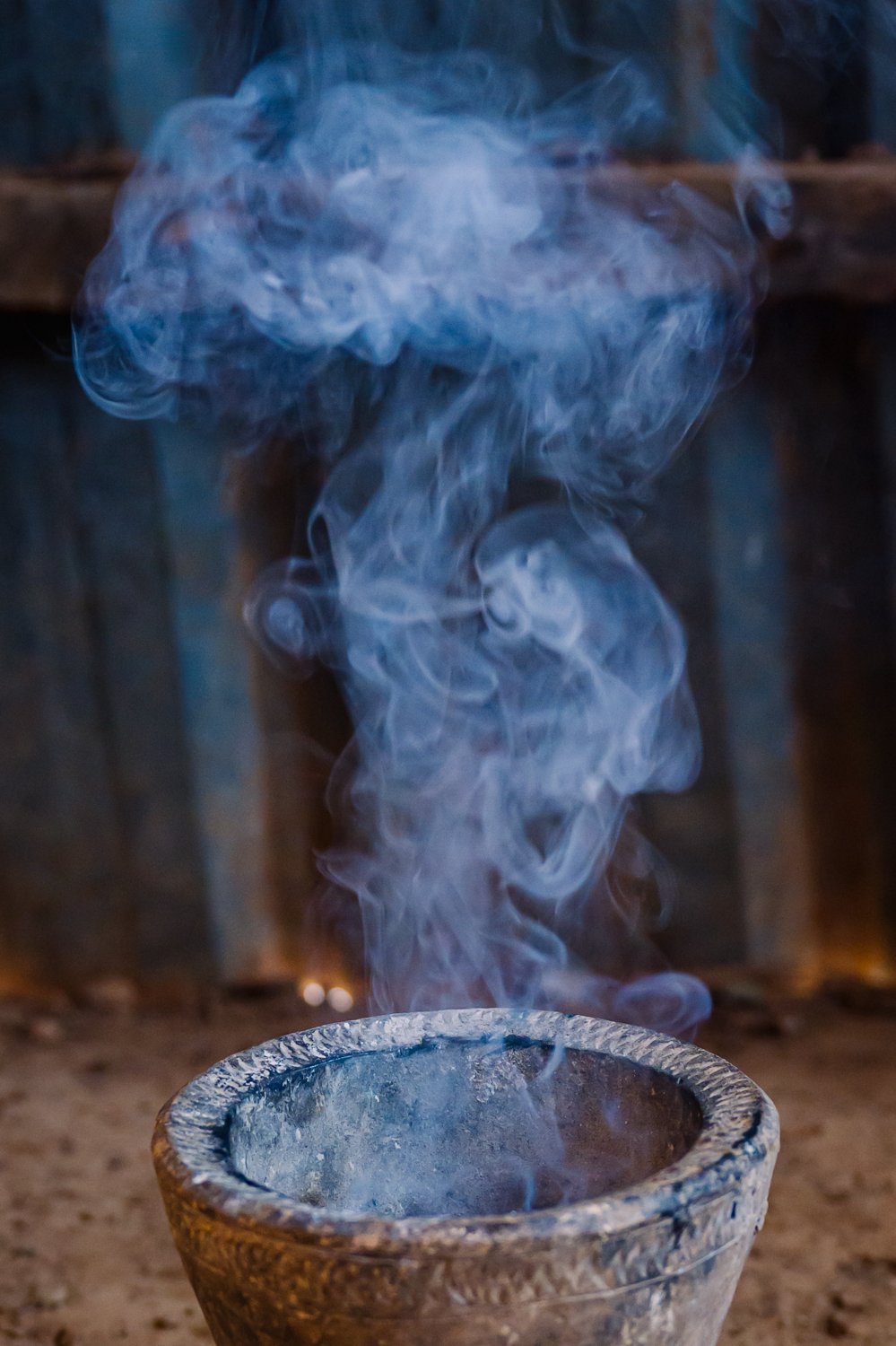
Myrrh burns in a traditional clay vessel in a home to ward off bugs, snakes and to fumigate it Friday Jan. 9, 2026, in Sanqotor, Ethiopia.
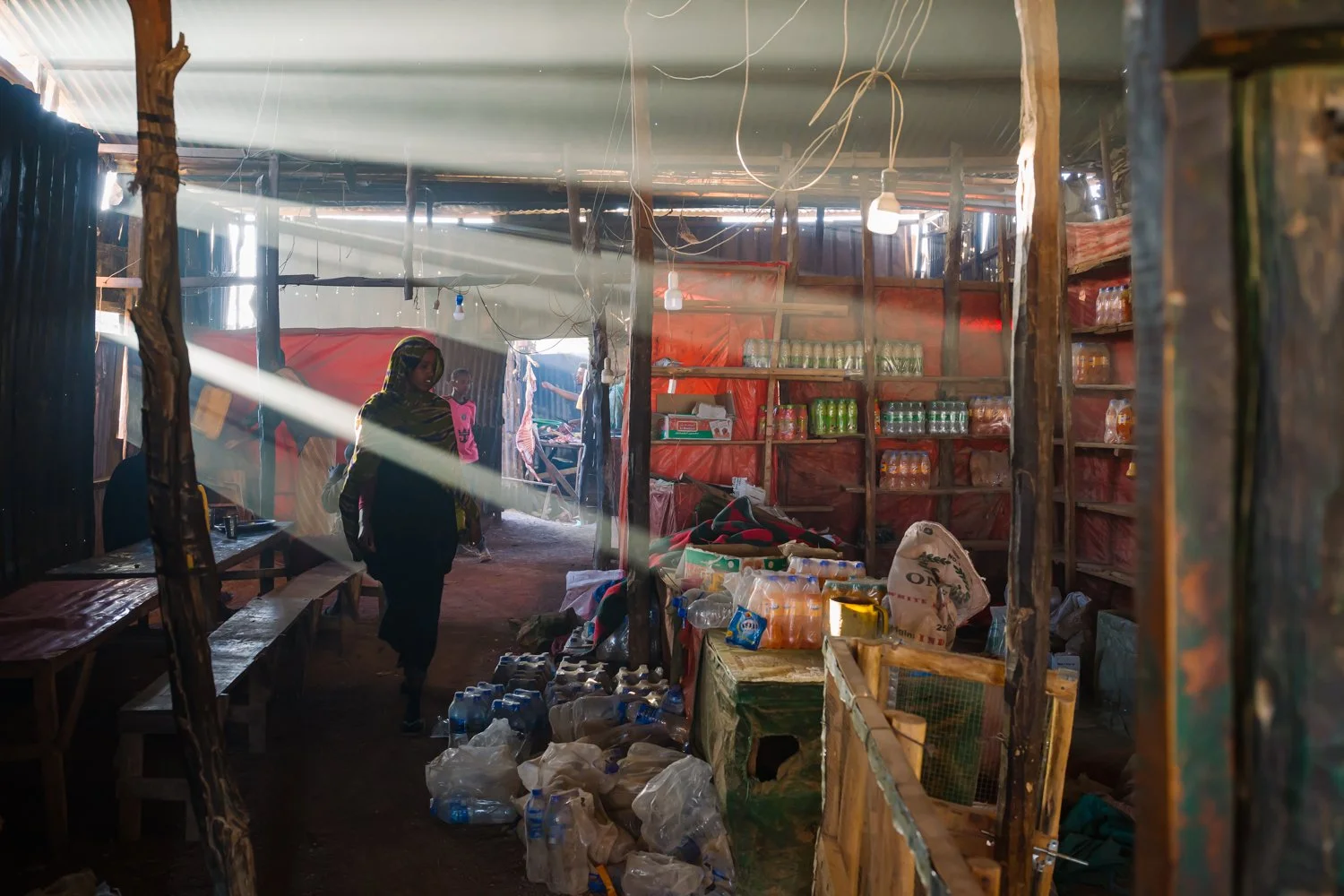
Burning myrrh, which is done to deter bugs and snakes, mingles with cooking smoke in a dark roadside restaurant as a young woman walks by bottles of water and soda Thursday Jan. 8, 2026 in Afcadde, Ethiopia.
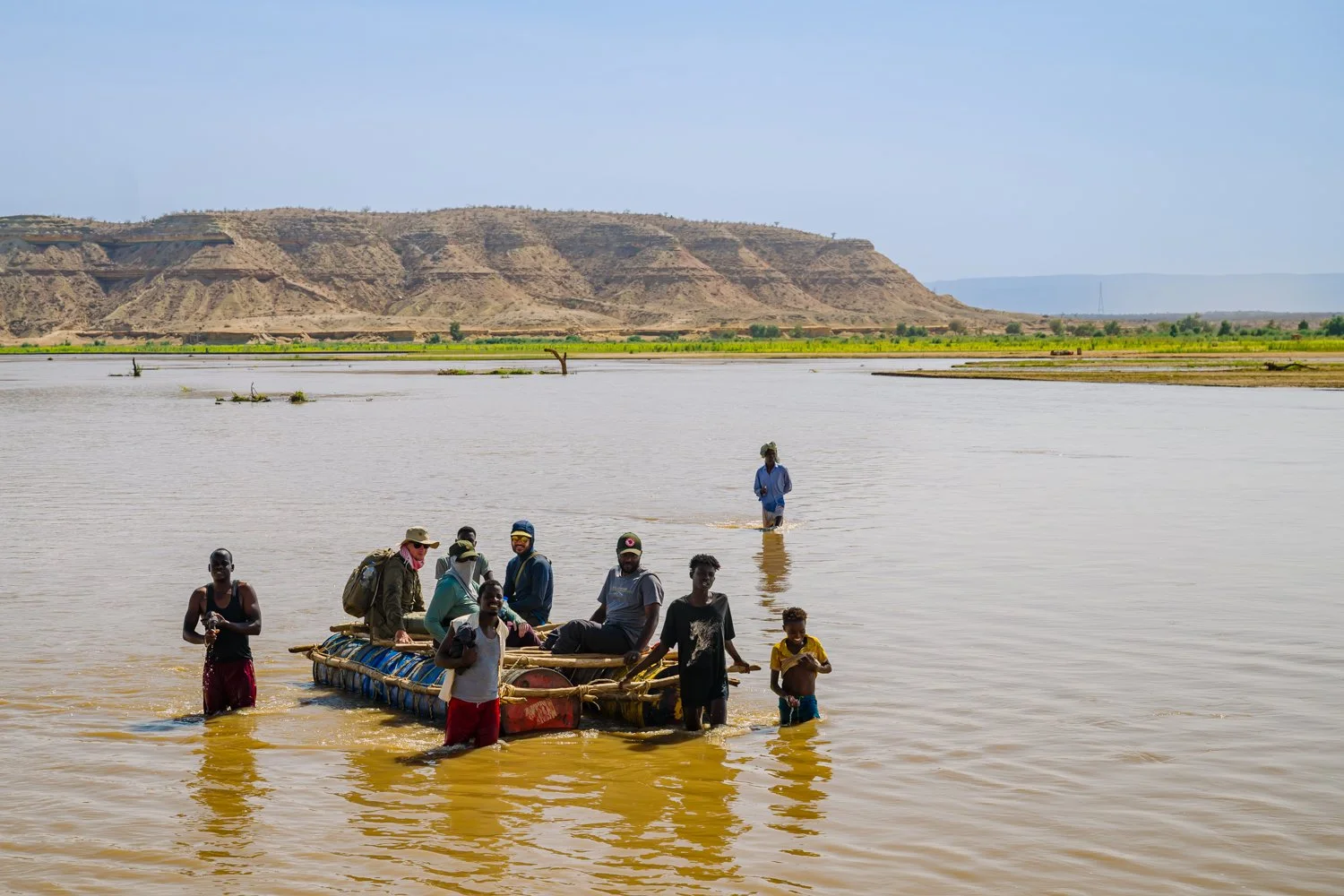
Myrrh researchers cross the Shebelle River with the help of boatmen that wade in the low levels instead of paddling as they make their way toward East Imi, Ethiopia, Saturday Jan. 10, 2026.
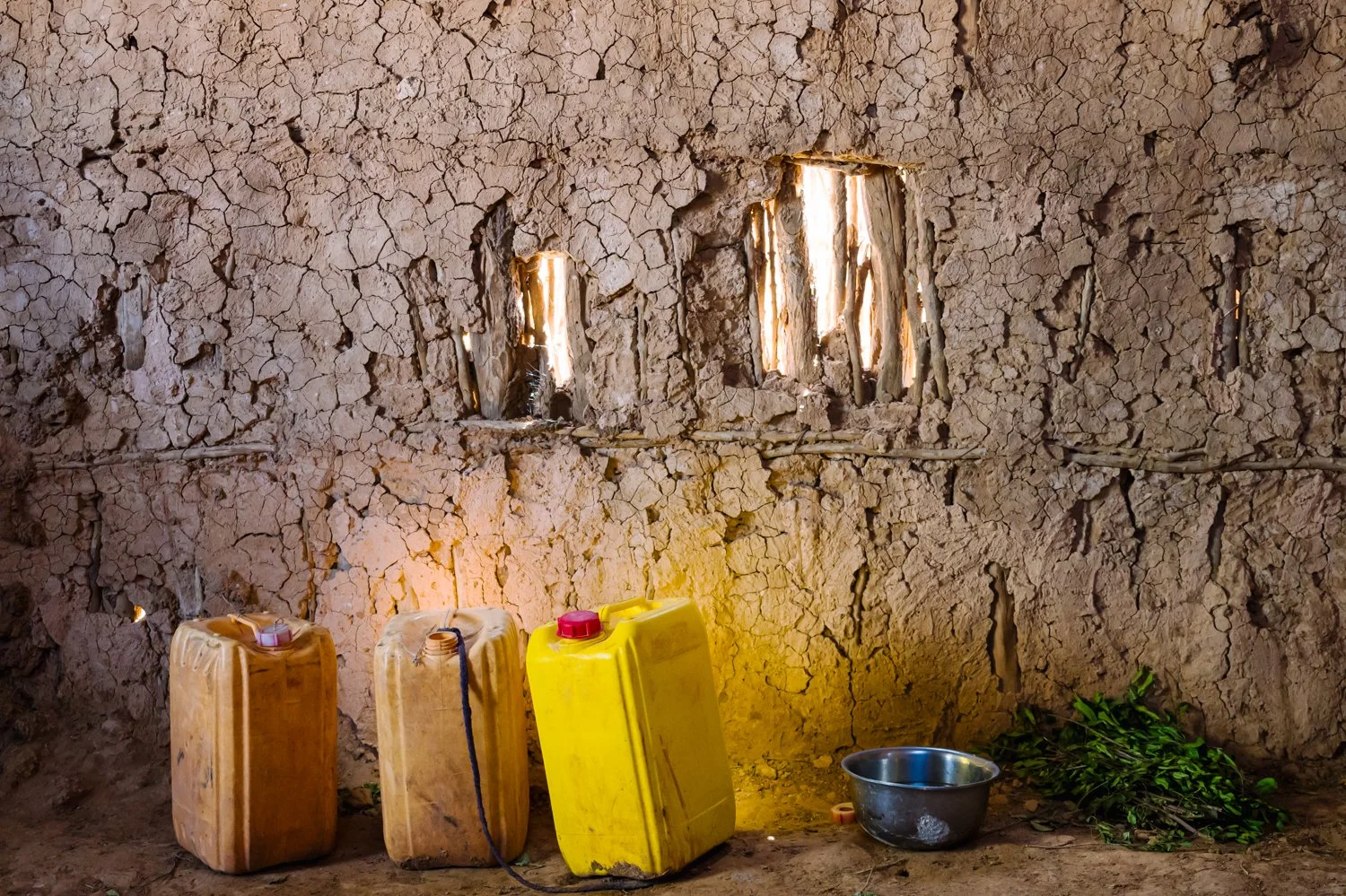
Yellow jerrycans, for hauling water, sit next to a bowl for washing up and a pile of khat leaves Friday Jan. 9, 2026 in Sanqotor, Ethiopia.